


Old Mellifont Abbey stands in the wooded valley of the River Mattock, a tributary of the Boyne, near Drogheda in County Louth. Founded in 1142, it was Ireland’s first Cistercian abbey and became the parent of a network of monasteries, including Boyle Abbey in County Roscommon. Its surviving washhouse opens a window onto the monks’ daily life and the changes that followed the abbey’s dissolution in 1539.

Explore Polonnaruwa’s royal palace, sacred monuments and waterworks, and the lives and labour that sustained a Sri Lankan capital.

Bahrain’s burial mounds preserve the lives of Early Dilmun. Explore their connections with the excavated capital at Qal’at al-Bahrain, Saar’s settlement and Barbar’s temples.
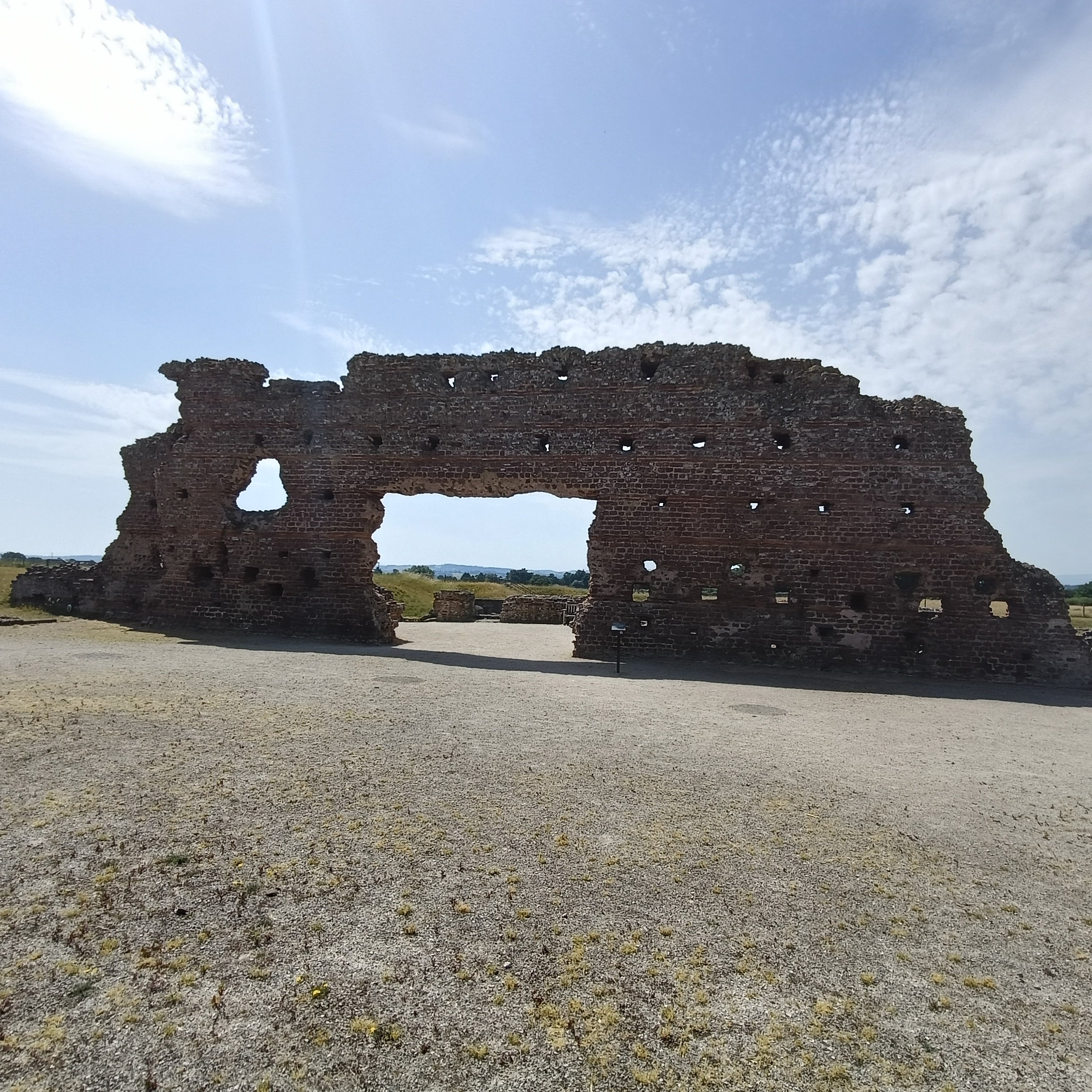
Beneath the quiet fields of Shropshire lies one of the greatest Roman cities ever built in Britain. Explore the rise and fall of Viroconium Cornoviorum, where towering public buildings, bustling markets and one of the Empire's largest bath complexes reveal how Rome transformed an island forever.
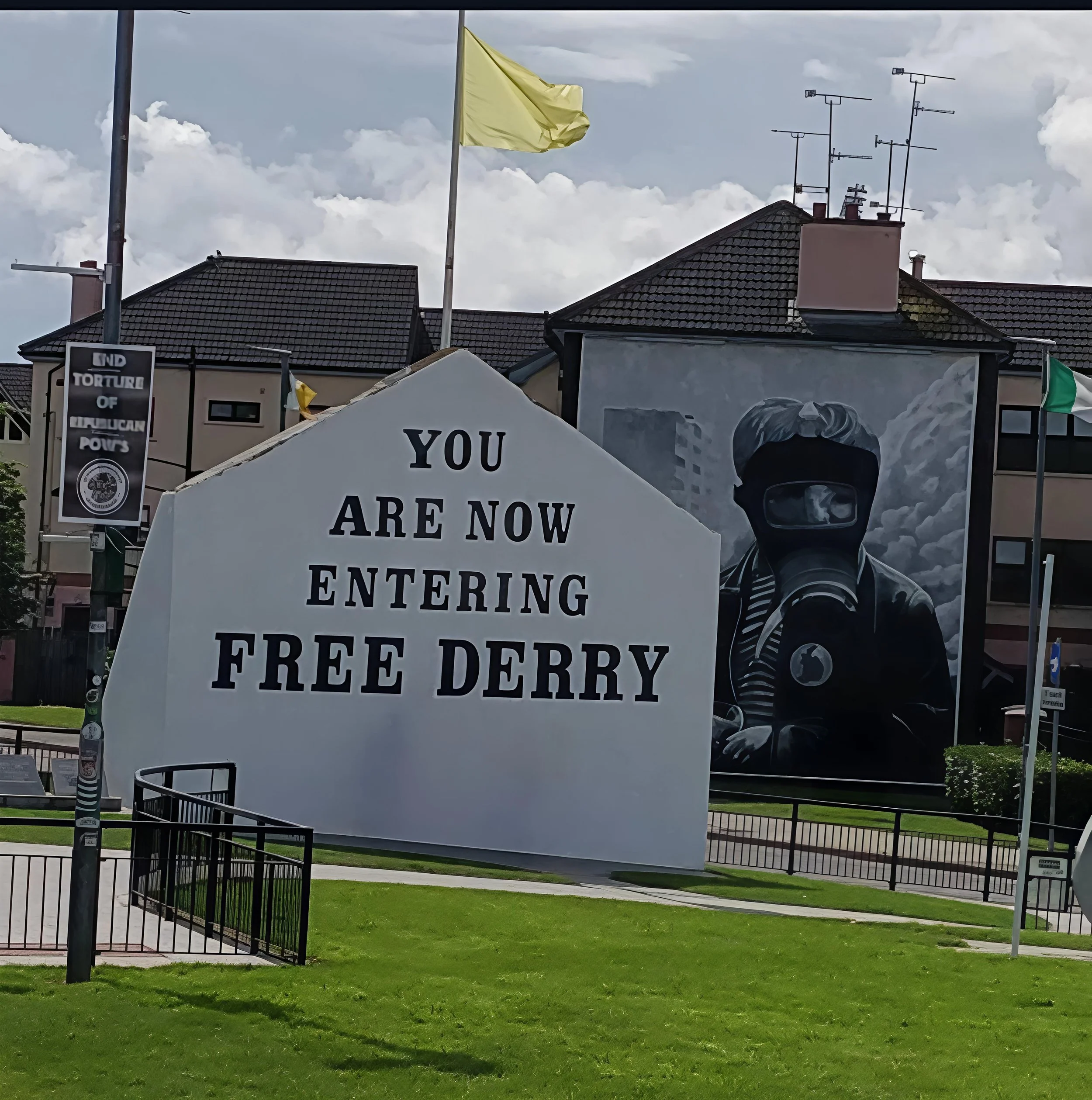
Derry’s walls rise above the Bogside. overlooking streets where civil rights marches, barricades, and Bloody Sunday transformed the city into one of the defining landscapes of the Troubles. Today, murals and memorials remain embedded within the streets below, preserving a coflict that never fully disappeared from the structure of the city itself.
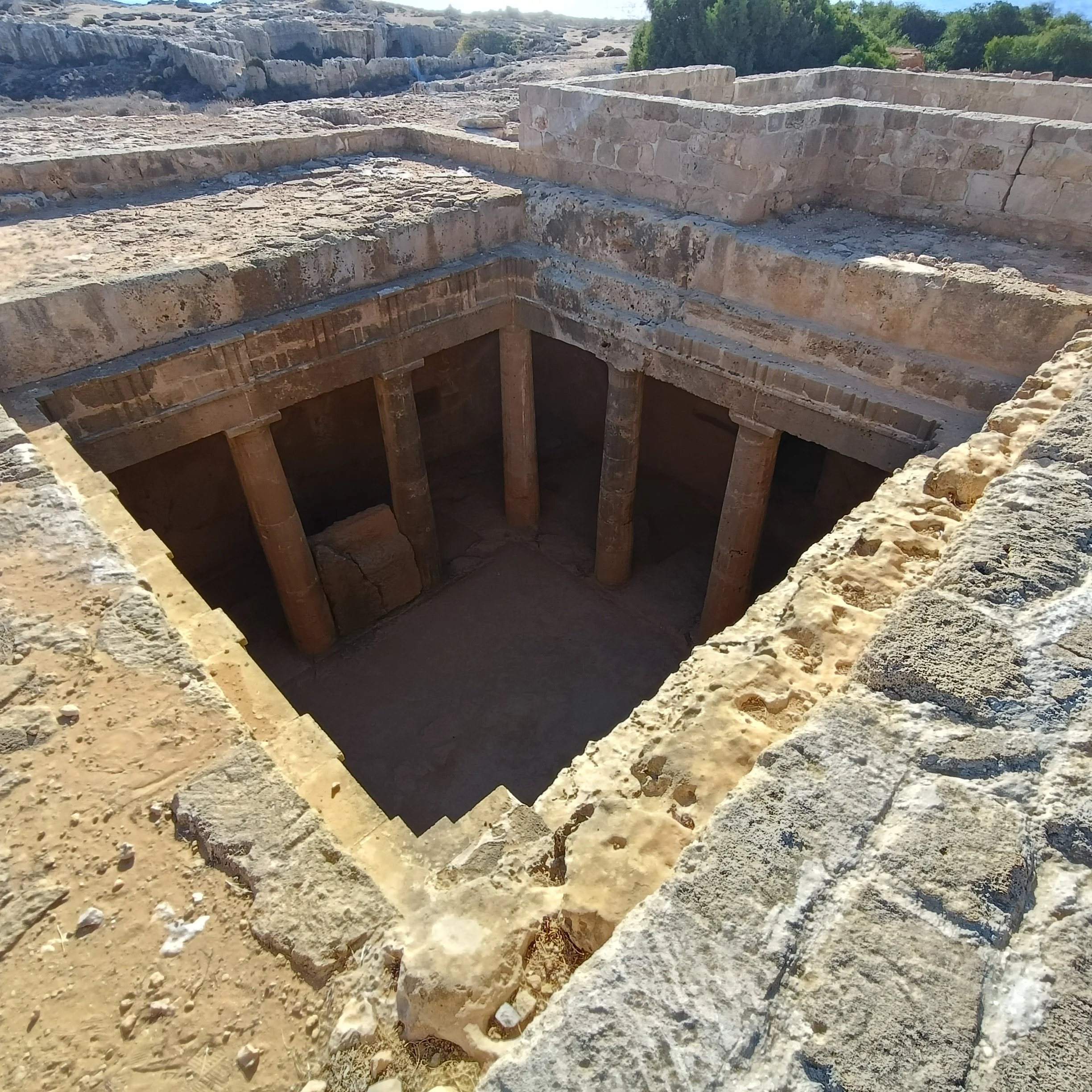
An ancient city where Roman power, early Christianity and a vast necropolis exist side by side, Paphos reveals two worlds carved into the same landscape.
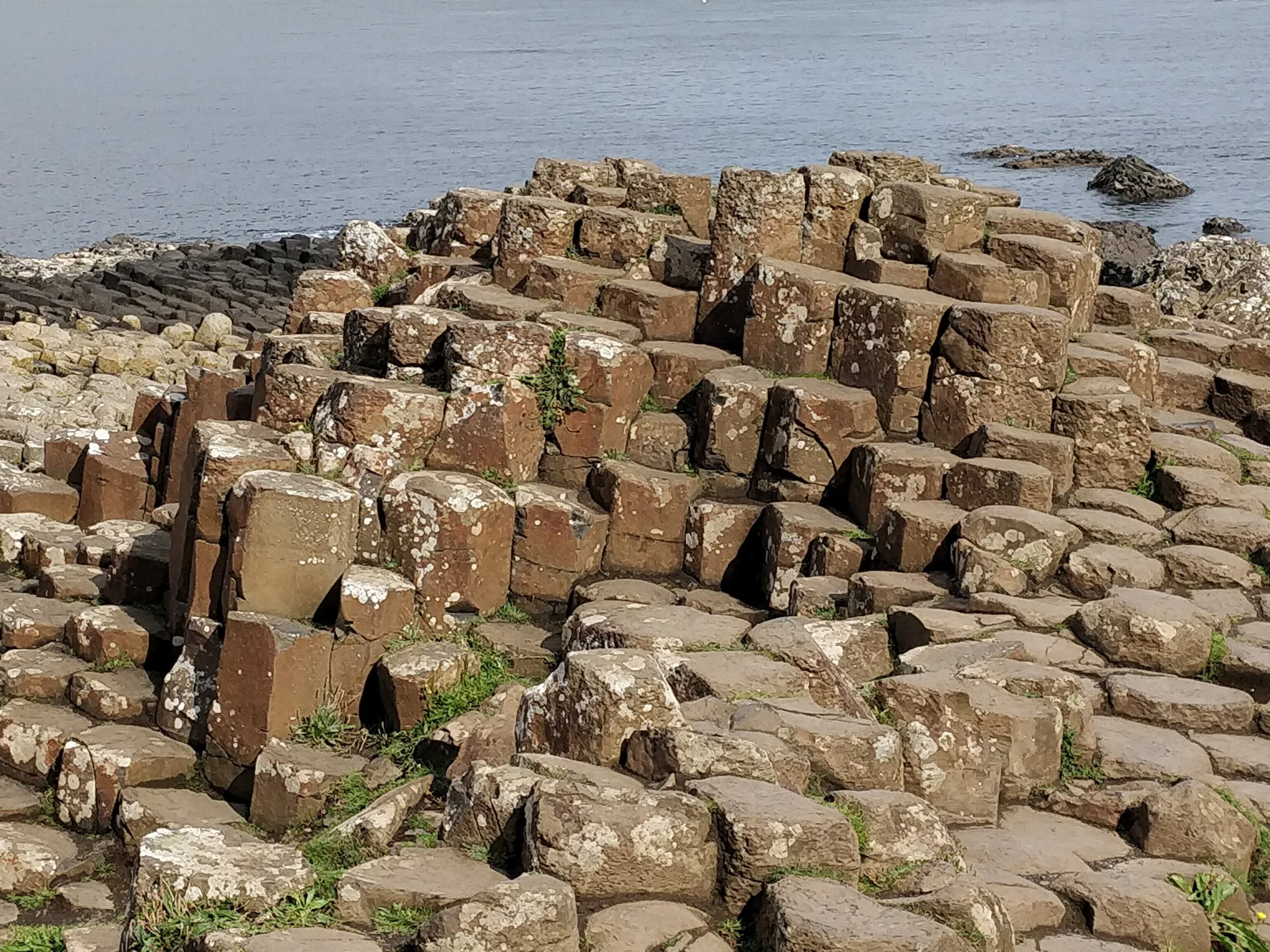
Forty thousand basalt columns rise from the North Atlantic coast like the floor of a forgotten cathedral. Perfect hexagons. Organ-pipe pillars. Geometry so precise we once blamed it on giants. The Giant’s Causeway is not carved, not constructed, not designed. It is simply lava, sixty million years old, obeying the quiet logic of physics.
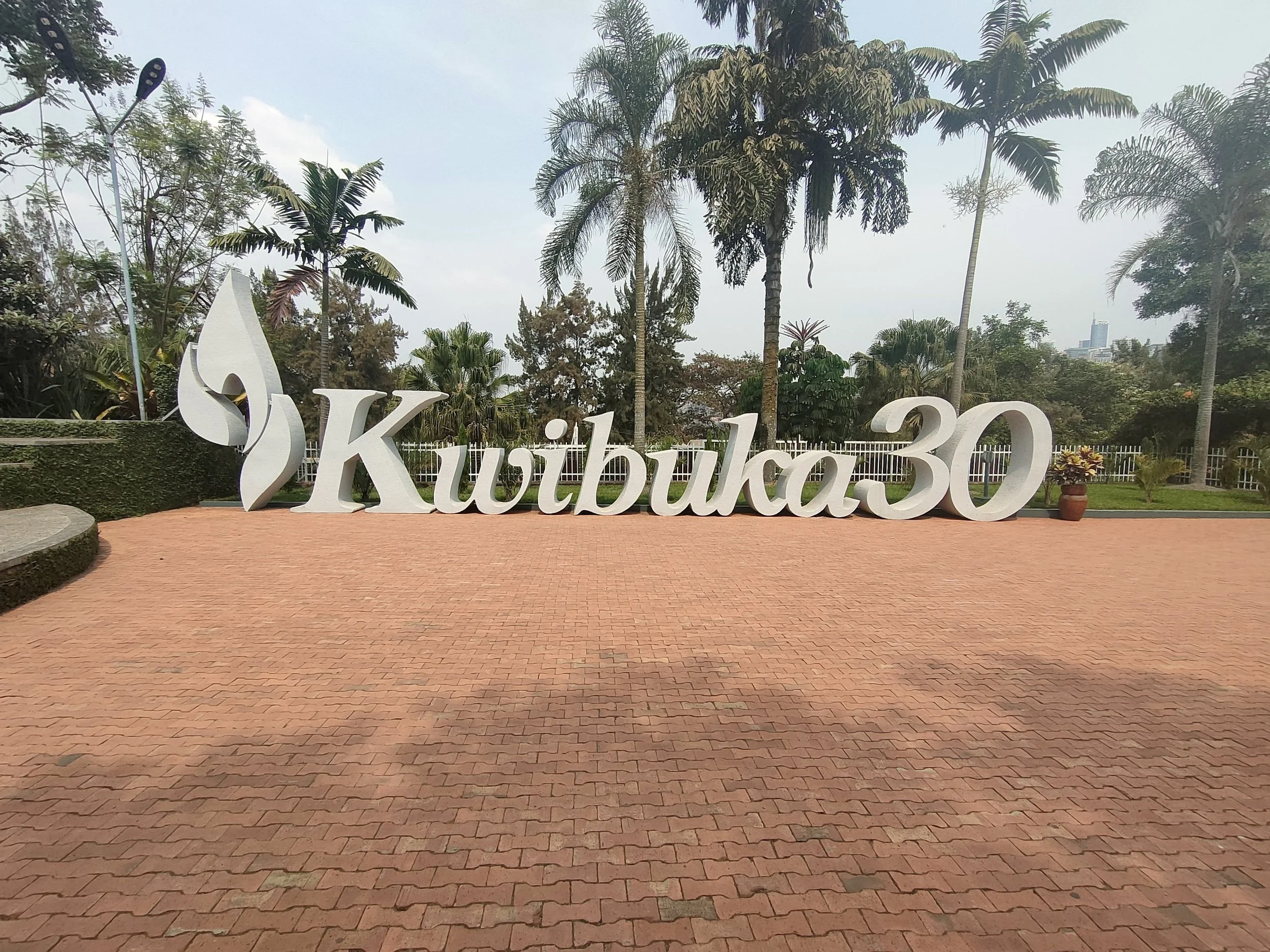
In Kigali, two museums shape how Rwanda remembers 1994. One centres on the dead, the other on the force that stopped the killing. Together, they reveal how a nation builds memory after genocide.
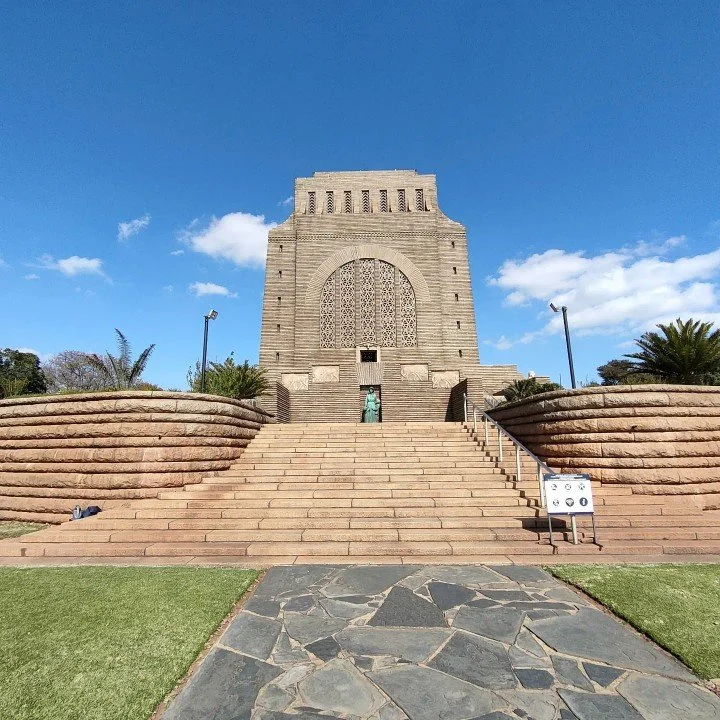
The Voortrekker Monument was built to fix history in stone.
Not to ask what happened, but to decide what it meant.
This is a monument to movement turned into permanence, memory engineered through architecture, light, and belief.
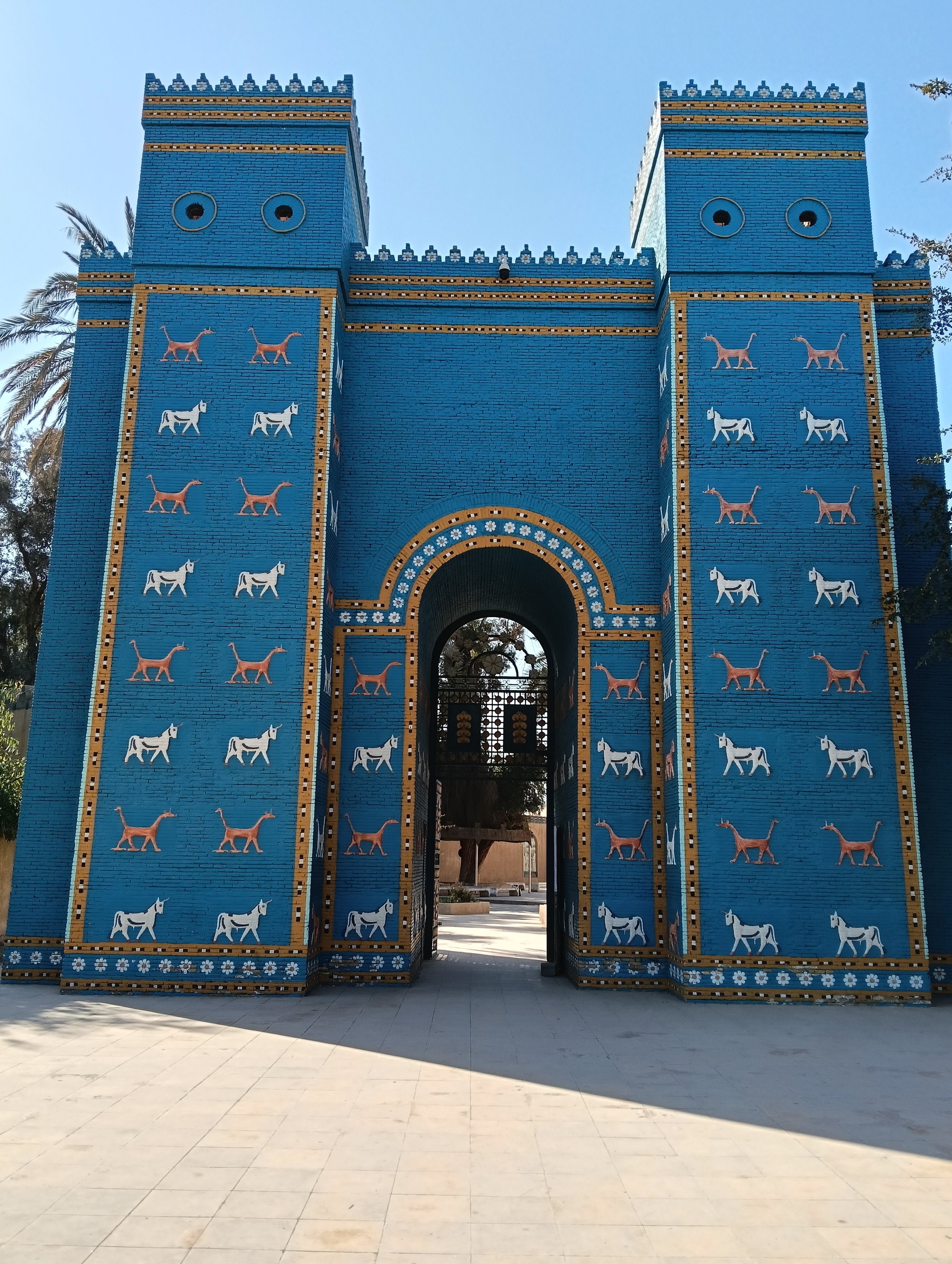
Babylon was not simply built. It was imposed.
Raised from mud and water, ordered by ritual and repetition, it became a city that expected obedience and assumed endurance. Walls, symbols, and law worked together to give Babylon a singular confidence: that it would remain, long after those who shaped it were gone.
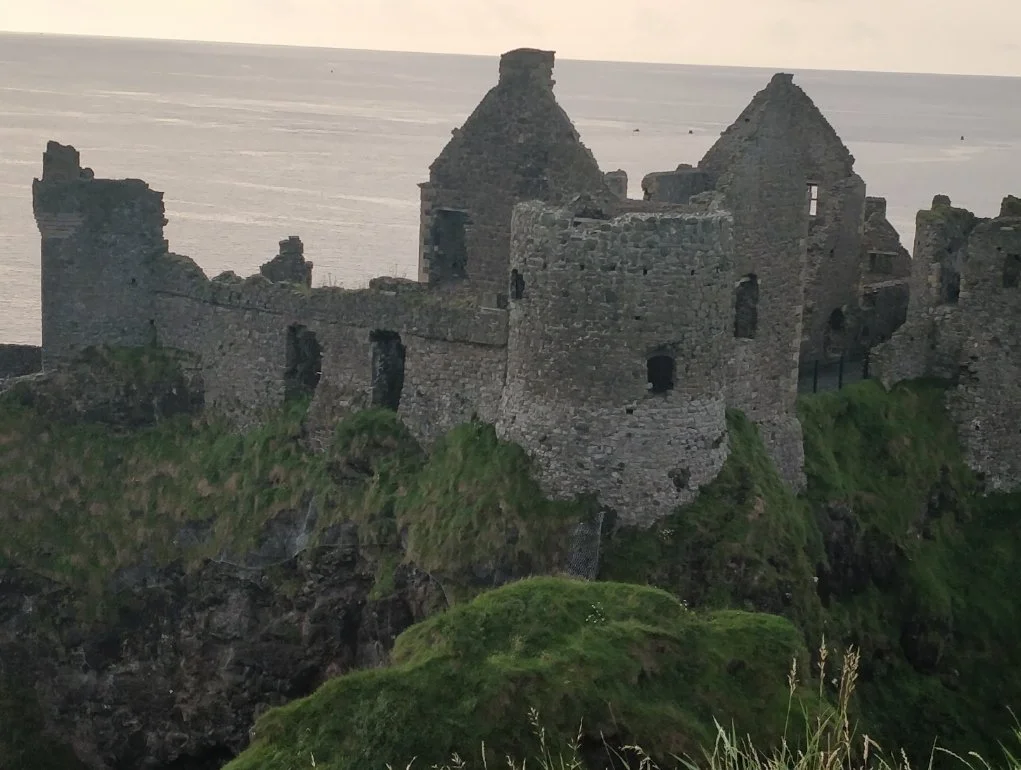
Dunluce Castle was built on a narrow headland above the North Atlantic, where its dramatic position shaped both its strength and its eventual abandonment.
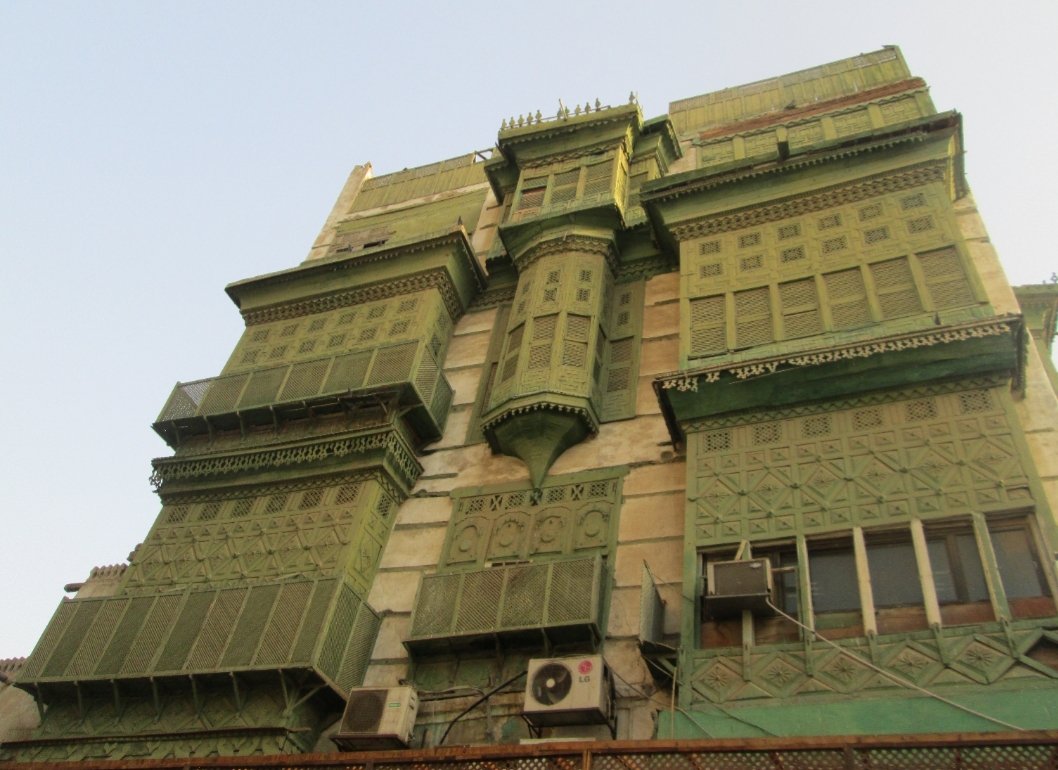
For centuries, Al-Balad was the working heart of Jeddah, a Red Sea gateway shaped by pilgrimage, trade, and constant arrival. Built from coral stone quarried from the sea itself and cooled by timber rawashin, the city evolved to endure heat, density, and movement rather than spectacle. Today, as a UNESCO World Heritage Site, Al-Balad remains a living urban landscape, where restoration, daily life, and deep history continue side by side.
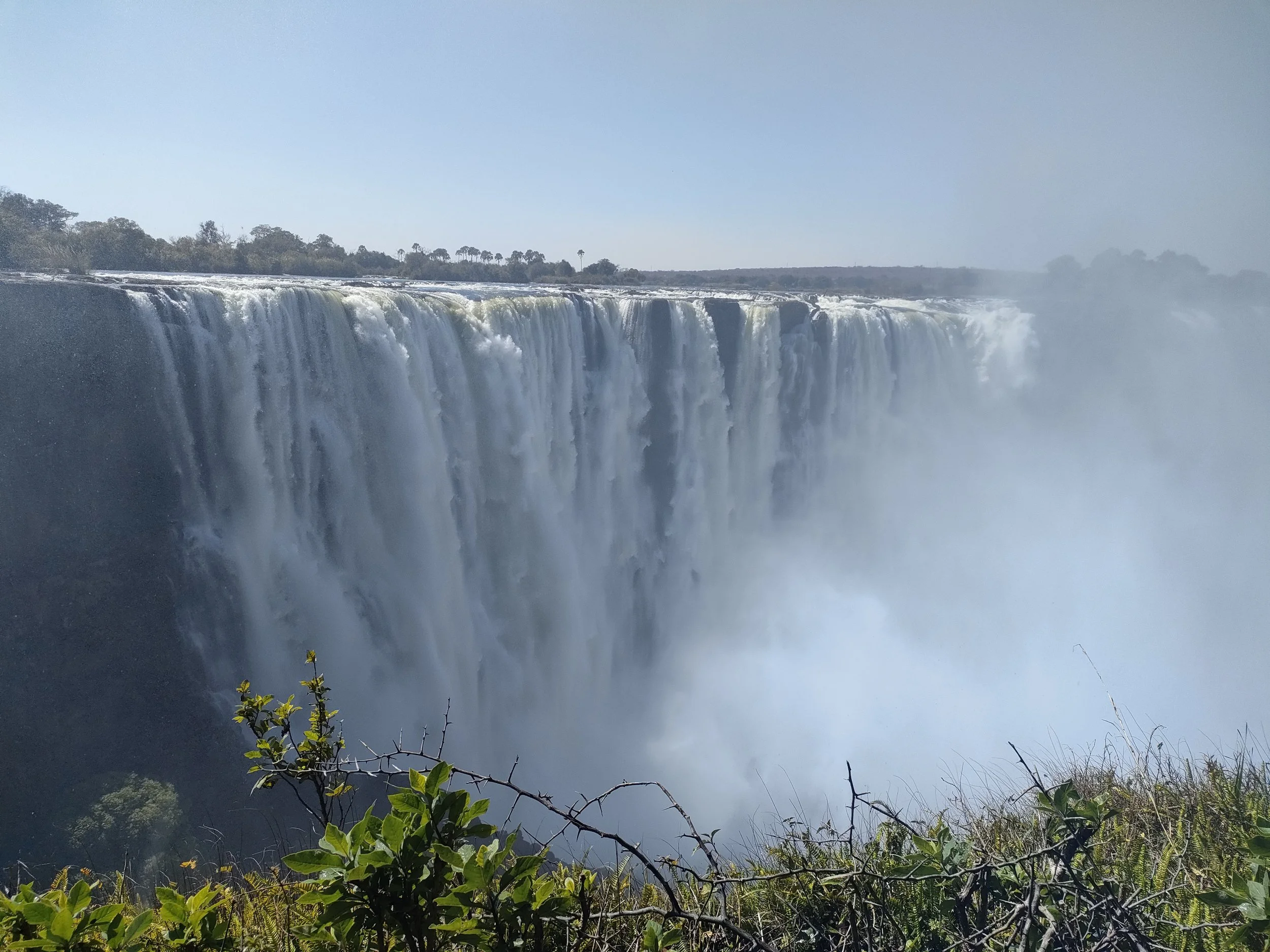
Victoria falls reveals how a landscape moves through time. This is the story of a river, a gorge and the smoke that thunders.
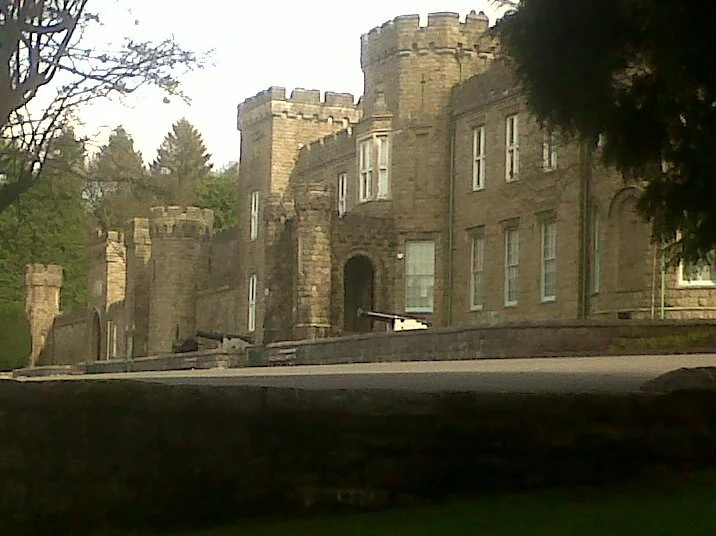
From the banks of the Taff, Cyfarthfa Ironworks powered an empire. Its rails reached Russia, its cannons sailed to Canada and Trevithick’s revolutionary steam engine changed transport forever. Few places in Wales shaped the world like Cyfarthfa.
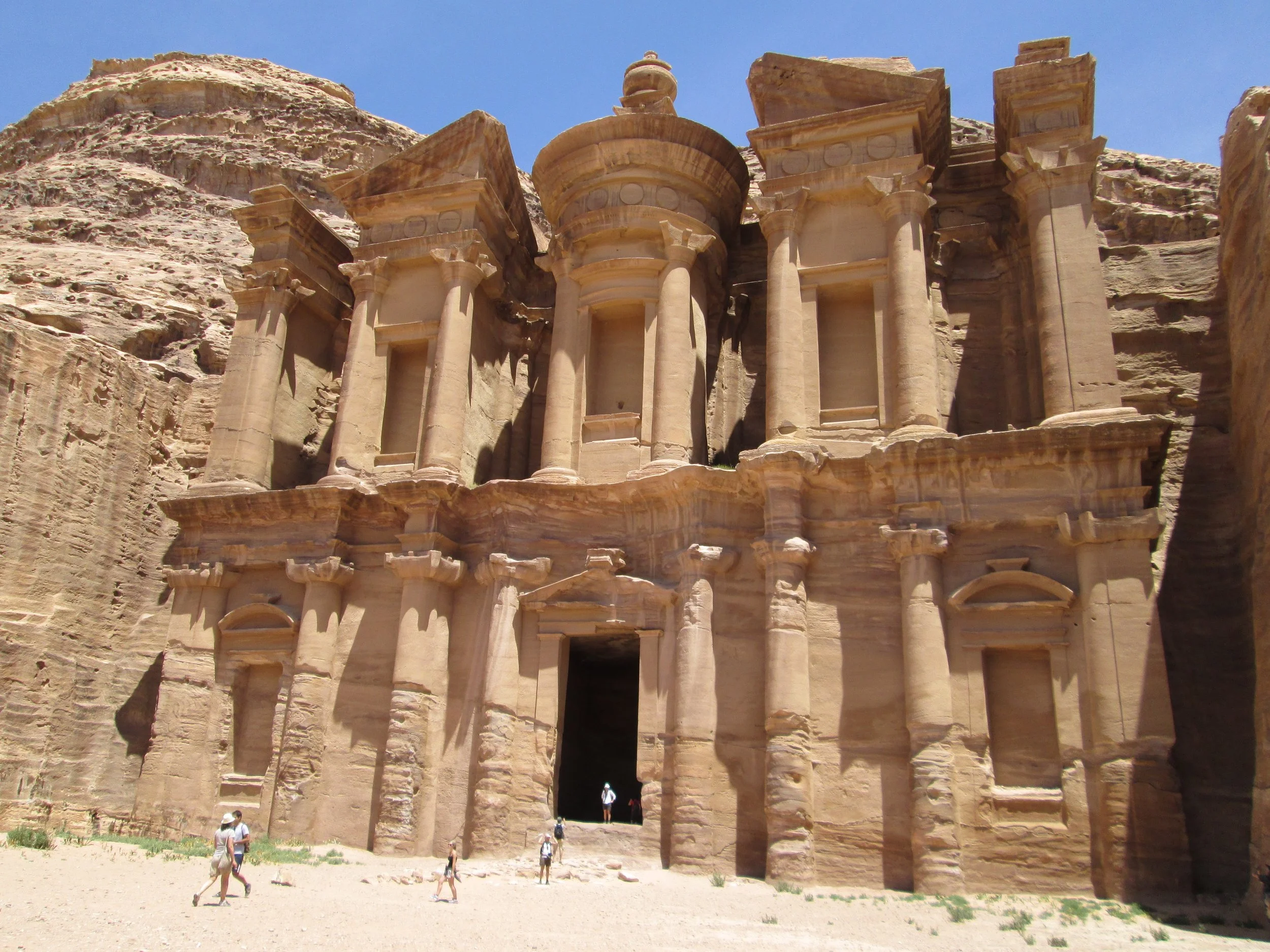
From the narrow Siq to the Treasury and the Monastery, Petra tells the story of a civilisation that thrived in one of the harshest landscapes on Earth. This is the history, engineering and wonder behind Jordan’s most ancient city.
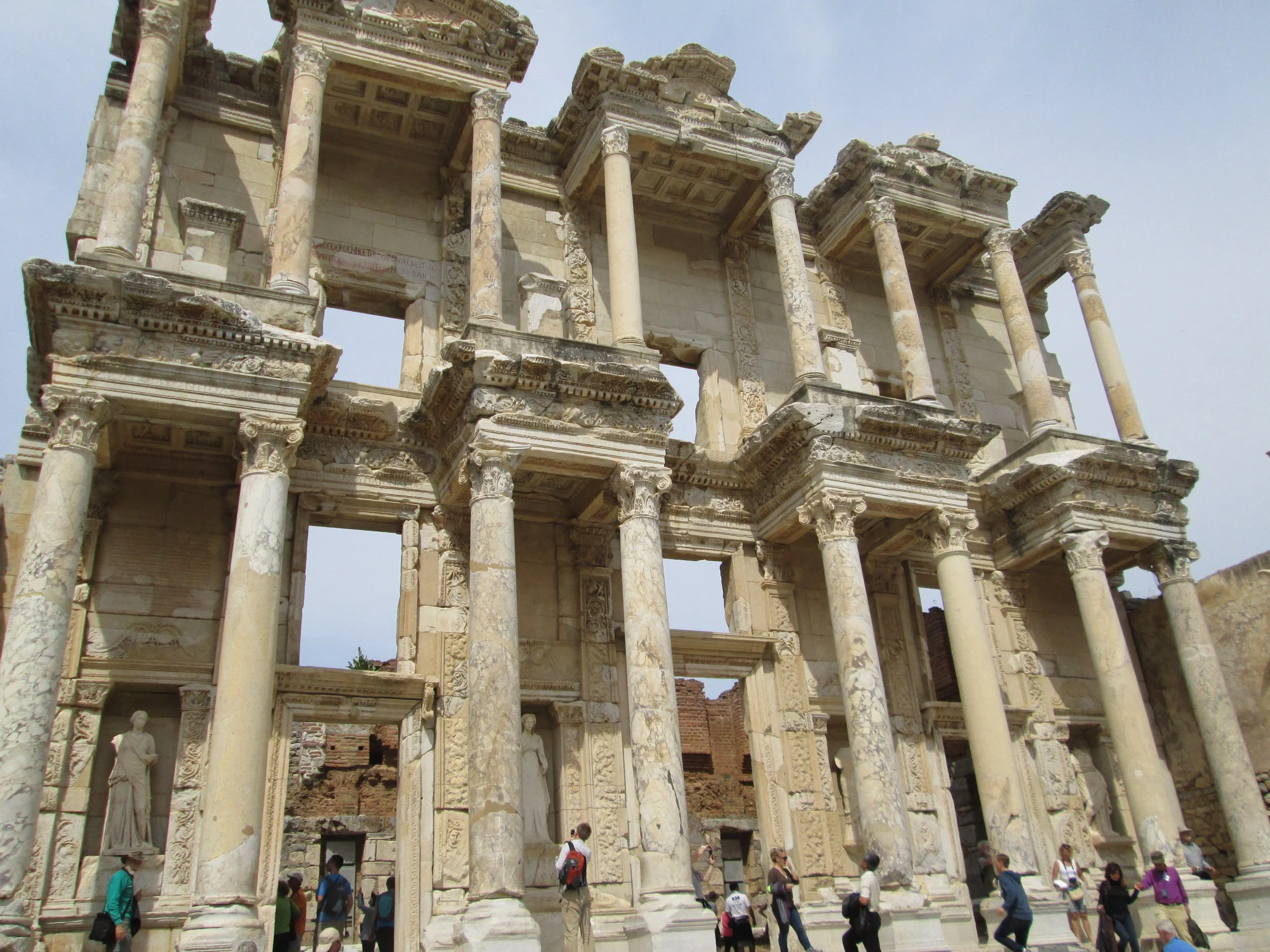
On Turkey’s Aegean coast lies Ephesus — the city that became time itself. Once home to the Temple of Artemis, one of the Seven Wonders of the Ancient World, it rose and fell with empires, leaving behind marble streets, grand theatres, and whispers of gods and emperors.

Once a raoring hub of Welsh tinplate innovation, Aberdulais powered its forges with the River Dulais. The skills honed here helped shaped industries across the Atlantic, earning a small valley a global legacy in metal and might.

Albania is a country littered with 700 000 concrete bunkers — monuments to a war that never came. From secret police hideouts to underground theatres, these Cold War relics tell a story of fear, control and survival etched into the landscape.

From Blood River to Isandlwana, Rorke’s Drift and Talana Hill, South Africa’s battlefields echo with stories of courage, loss, and resilience. These landscapes witnessed clashes that shaped nations and still carry the silence of memory today.

Explore Uplistsikhe, Georgia’s ancient cave city, where stone chambers and forgotten rituals echo through time.

South Africa’s Blyde River Canyon, where earth, sky and story meet in the world’s third largest canyon.

Once a vibrant island community just offshore from Kuwait City, Failaka now stands abandoned—its home bombed, schools empty, and banks scarred by execution. This is not just a place lost to war, but a monument to memory. Explore the ruins of the Gulf War’s forgotten front line.

An island once sacred to the gods, ruled by Greeks, and scarred by war. Failaka is where myth, trade, and trauma collide beneath the desert sun.

Journey to the heart of Sri Lanka’s ancient skies with Sigiriya — a stone citadel of kings, dreams, and vanished empires.

Walk through the dust of kings and the silence of ziggurats. In Ur, memory is carved in clay and shadow, where the past still whispers through every ruin.
Discover one of the world’s oldest cities — where civilisation began.
For eighteen months, an ordinary farm in Rivonia hid the leadership of South Africa's liberation movement. Nelson Mandela lived there disguised as a gardener, and the High Command of Umkhonto we Sizwe planned its campaign in the thatched outbuildings. Then, on 11 July 1963, the police arrived. This is the story of Liliesleaf: the disguise, the raid, the Rivonia Trial, and the farm that looked like nothing while everything was happening.