

Kigali, Two Museums, One Wound.
How Rwanda Remembers, and Why the World Still Struggles to Understand It.
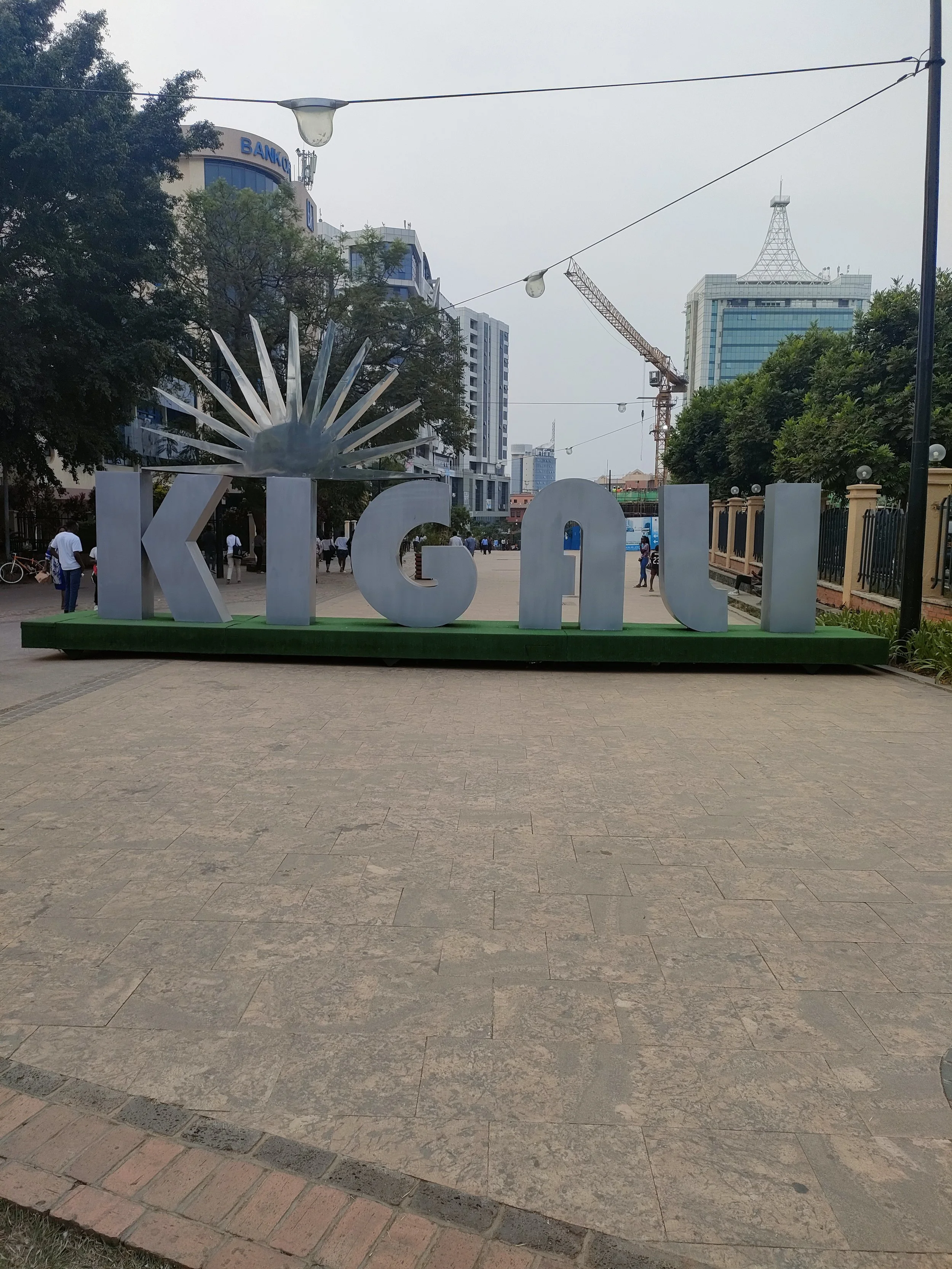
Kigali today is a totally different city, but it does not forget its past.
Kigali is an ordered city. Clean streets, deliberate development, green hills folded neatly into an expanding capital. It does not look like a place where close to a million people were murdered in a hundred days.
That dissonance is the first lesson Rwanda teaches you.
To understand the country, you do not begin with statistics or summaries. You begin with how Rwanda has chosen to remember. In Kigali, that memory is anchored by two institutions that do very different work, and together define the moral architecture of the modern state.
One is a burial ground that educates.
The other is a museum of action, discipline, and victory.
They sit within the same city, but they tell different truths, for different reasons.
The Kigali Genocide Memorial.
Mourning as evidence.
The Kigali Genocide Memorial at Gisozi is not metaphorical. It is not symbolic. It is a physical site of the dead.
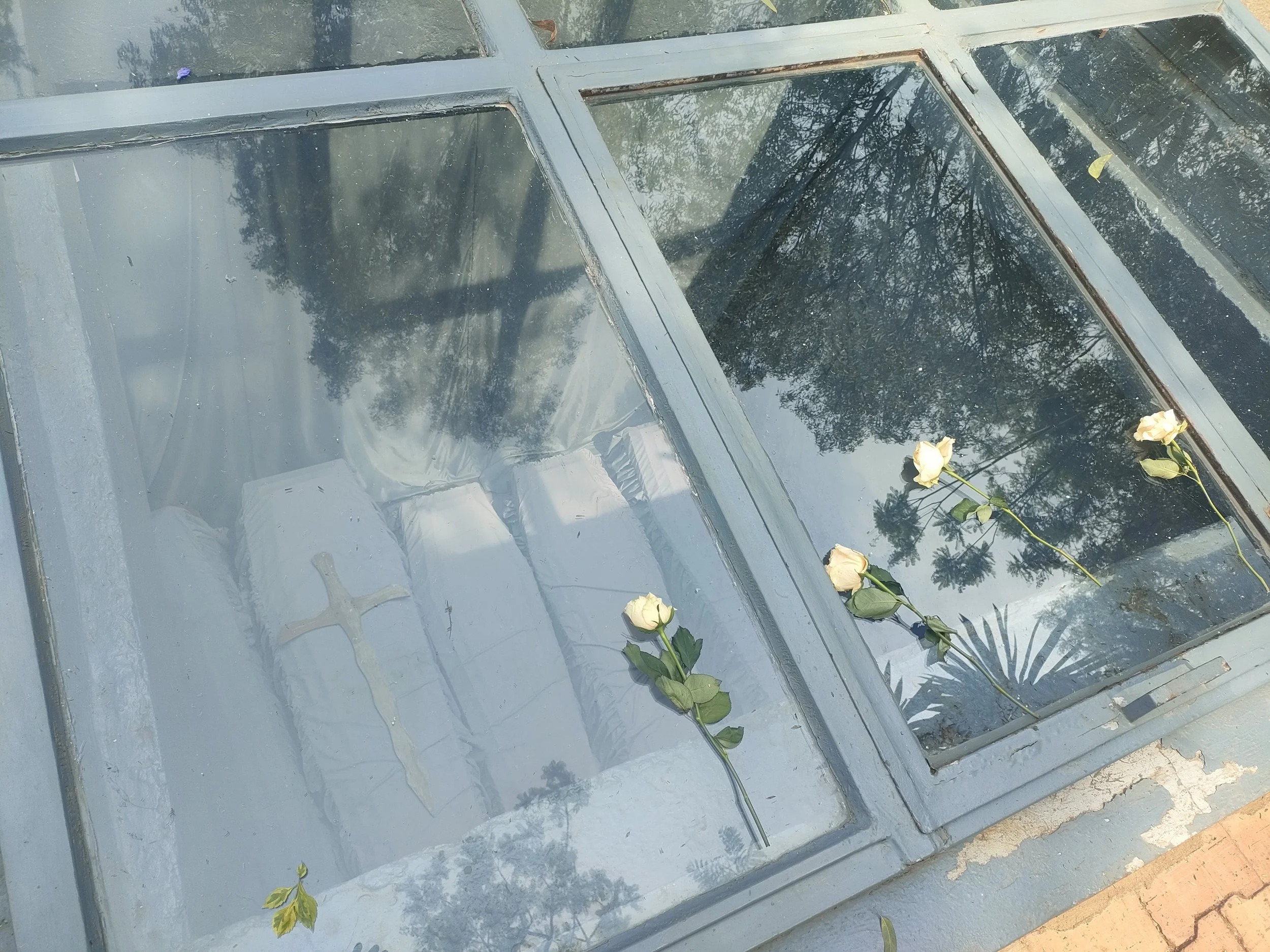
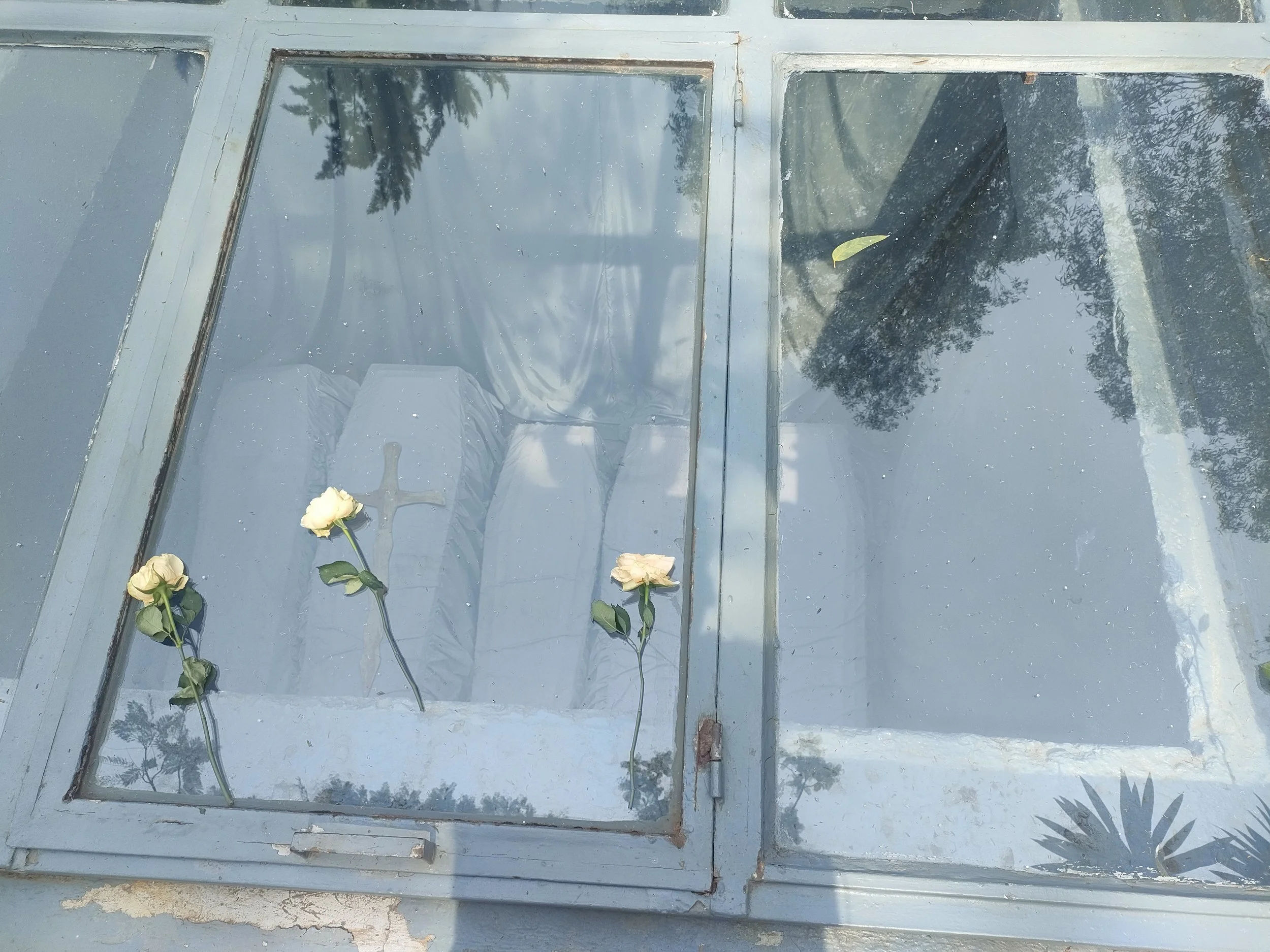
Beneath the landscaped grounds lie mass graves containing the remains of an estimated 250,000 victims of the 1994 genocide against the Tutsi. The memorial was inaugurated in April 2004, ten years after the killings, and it functions simultaneously as a burial site, a museum, and a national classroom.
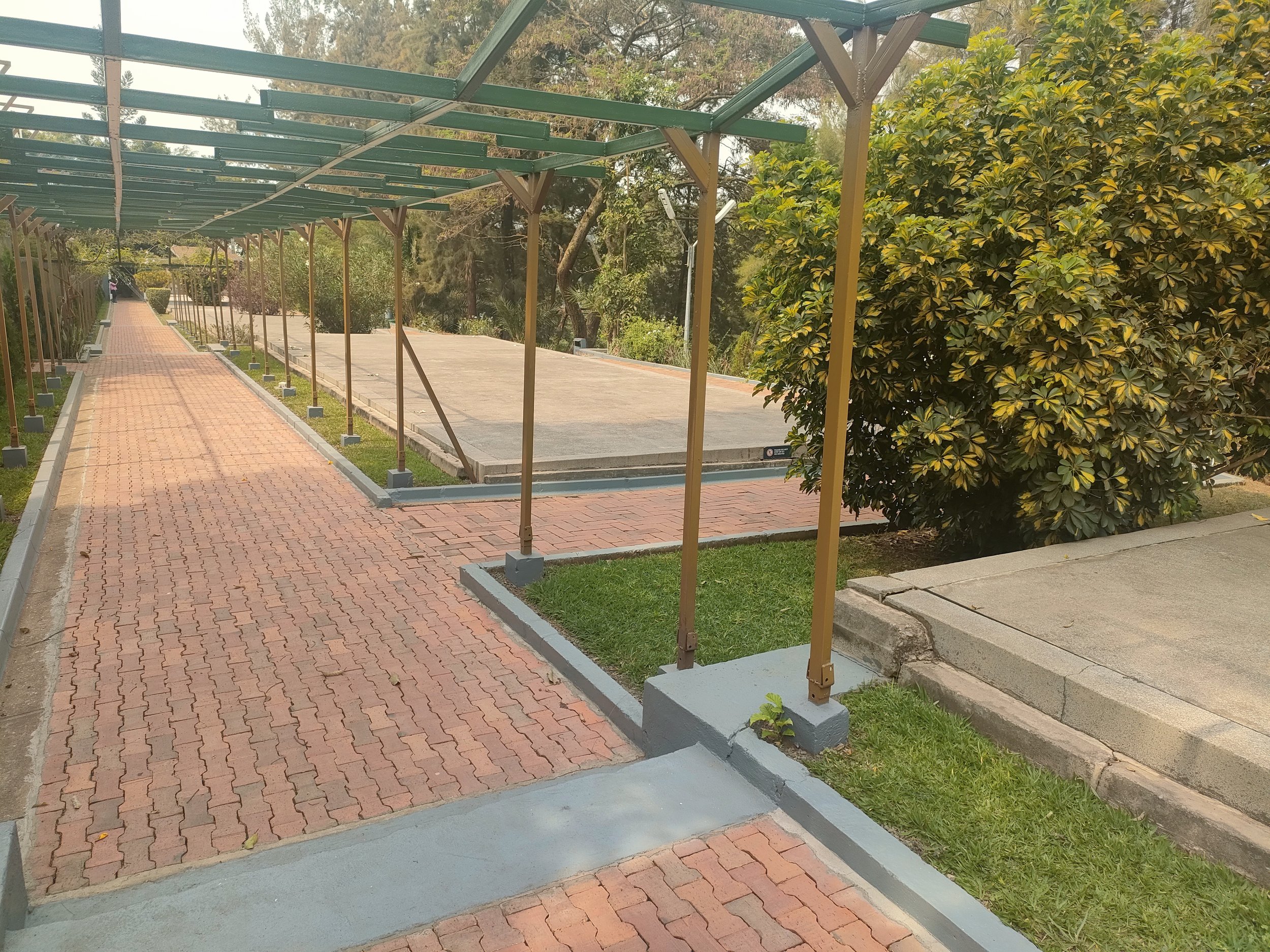
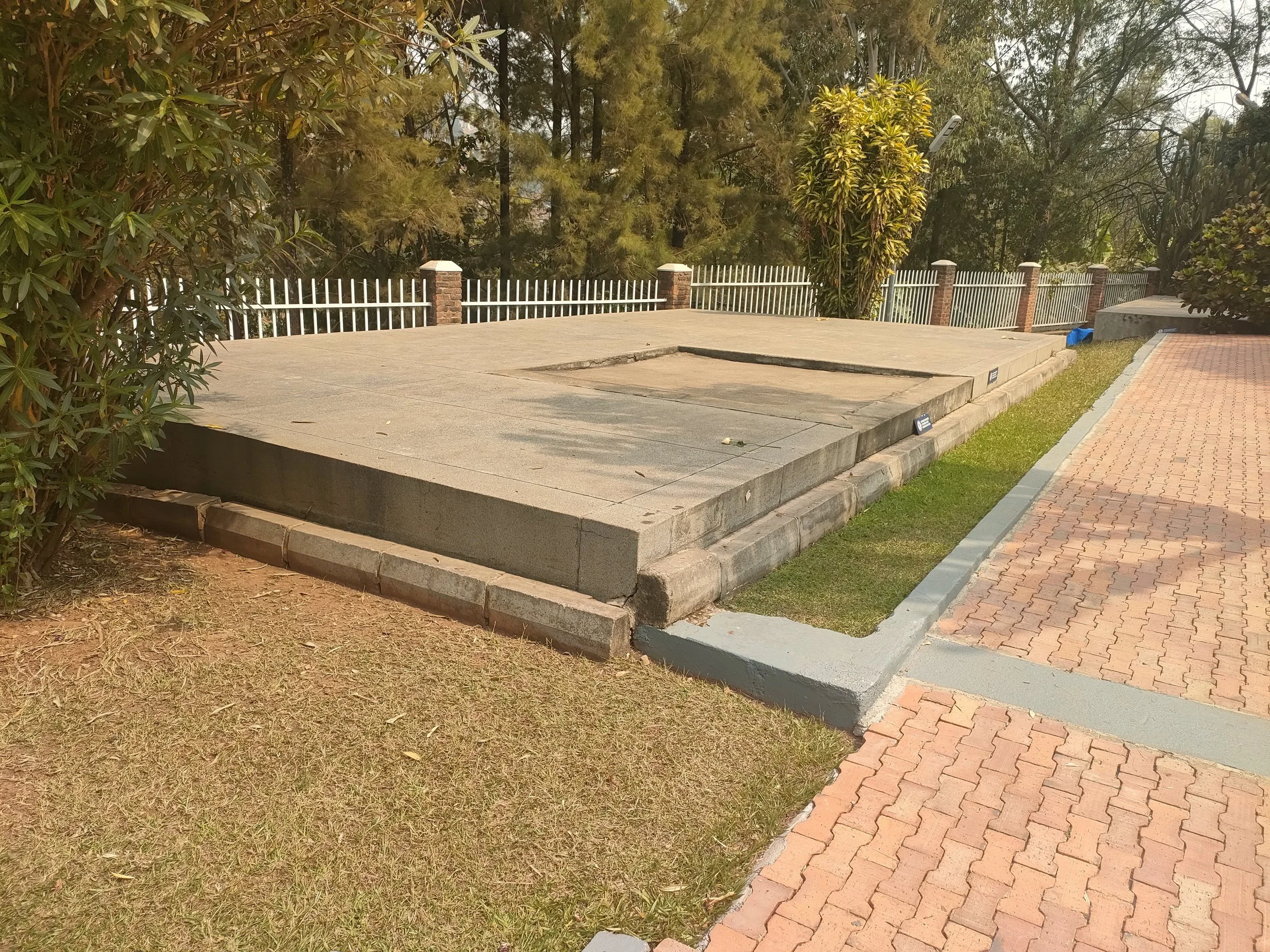
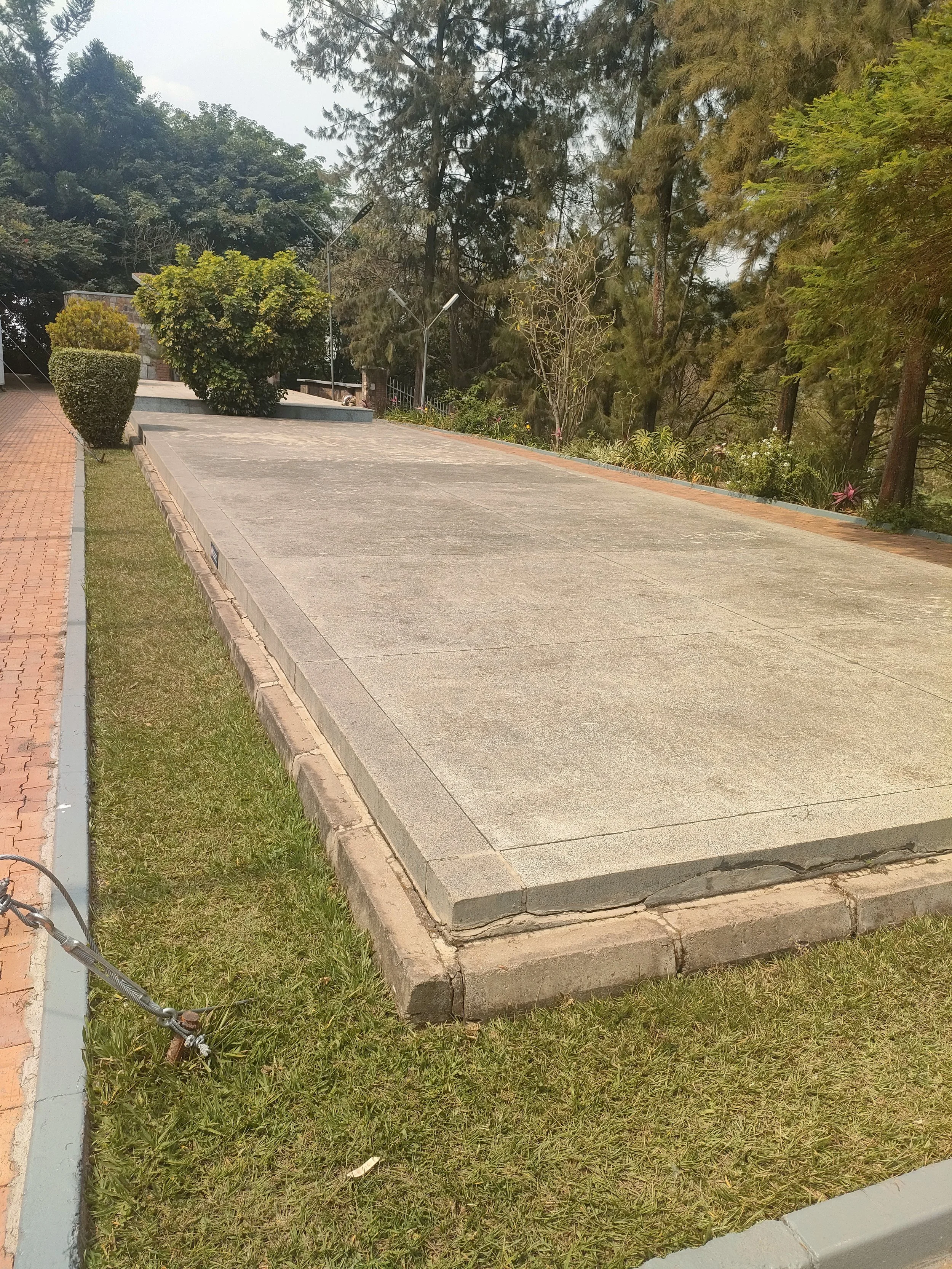
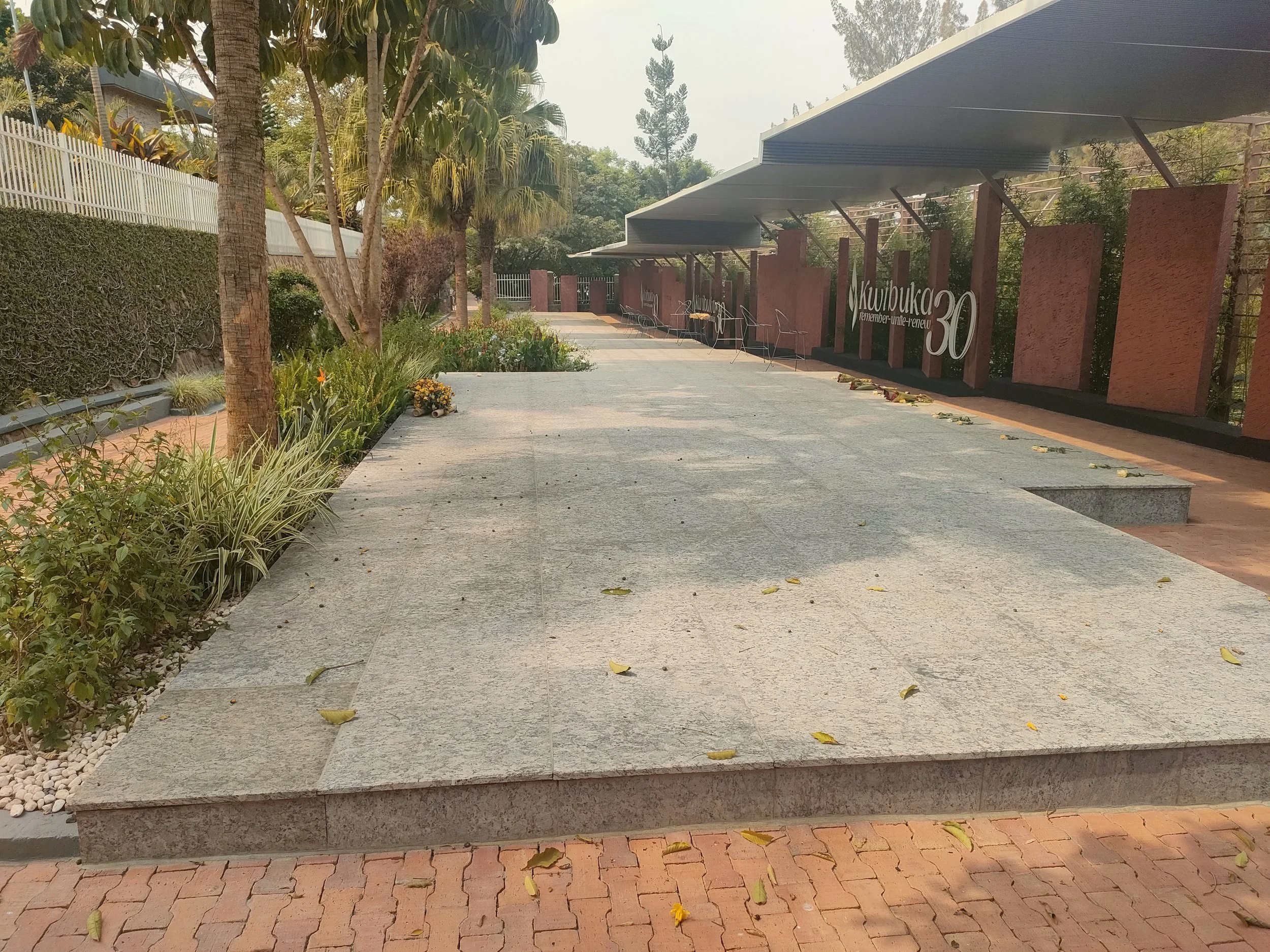
What distinguishes the memorial is not scale alone, but intent. The exhibitions are structured to deny the visitor easy narratives. There is no suggestion that this was an eruption of ancient hatred, or a moment of collective madness. Instead, the memorial insists on process.
Identity in Rwanda was not immutable. It was formalised.
Division was not inevitable. It was administered.
Under Belgian colonial rule, fluid social categories were reclassified into rigid ethnic identities. Identity cards fixed the difference into law. Hierarchy was made visible, countable, and enforceable. After independence, those inherited structures did not disappear. They were repurposed, politicised, and radicalised.
The memorial makes a crucial point without labouring it. Genocide is not chaos. It is organisation.
Lists are written.
Language is sharpened.Fear is normalised.
By the time April 1994 arrives, the conditions are already in place.
Memory without spectacle.
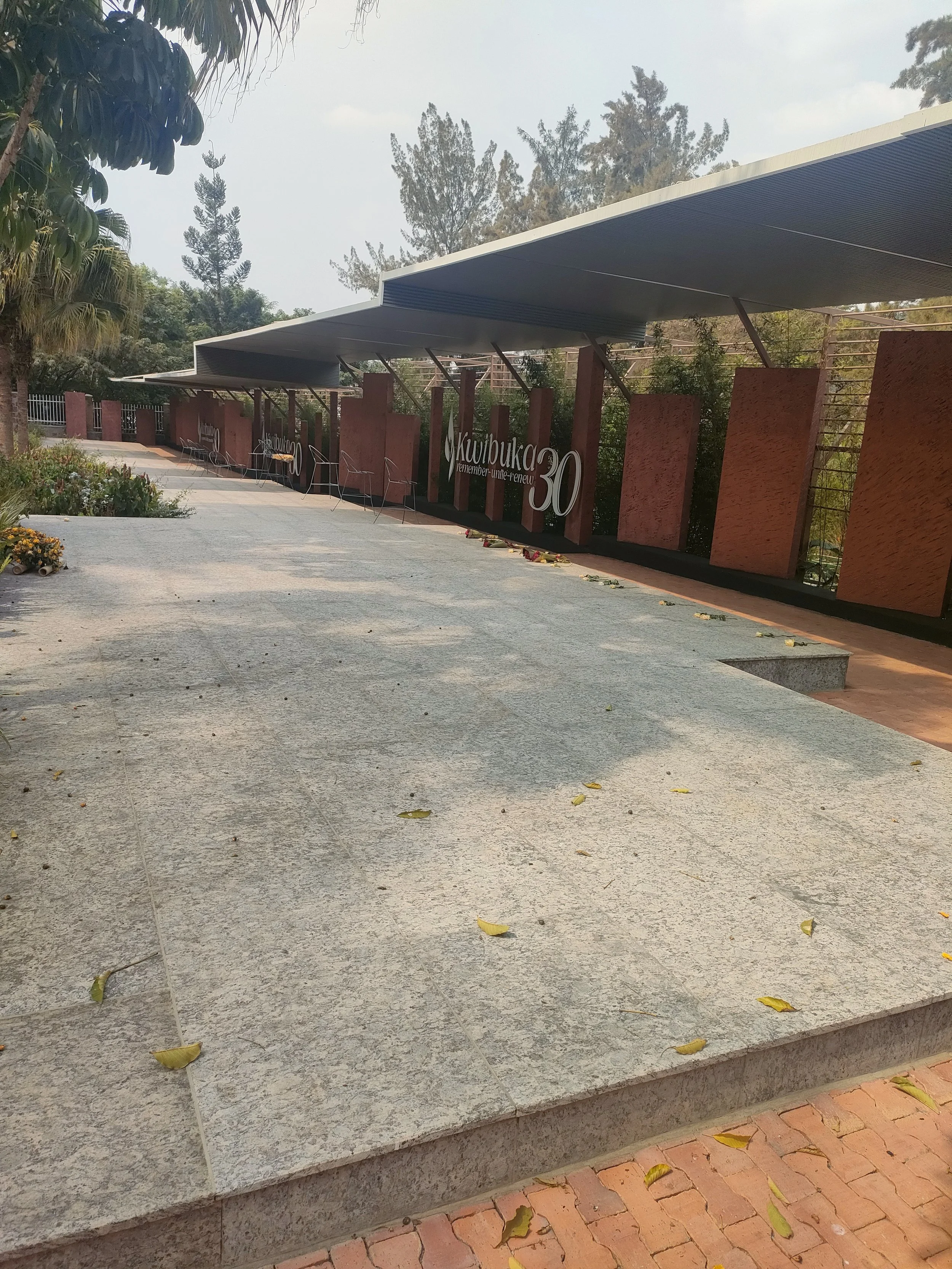
Walking through the memorial grounds, there is a striking absence of theatricality. The paths are long and measured. The signage is restrained. The violence is not aestheticised.
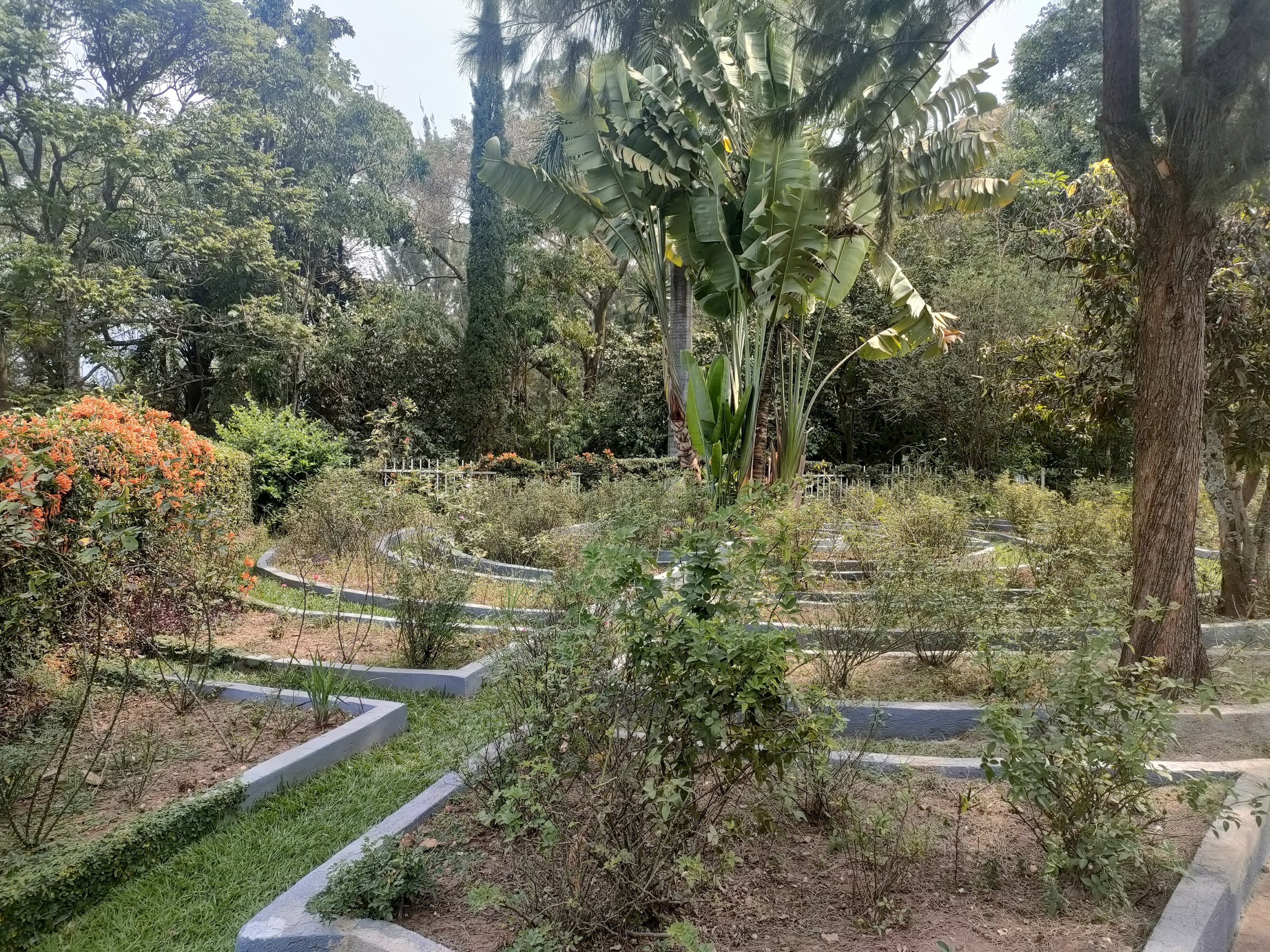
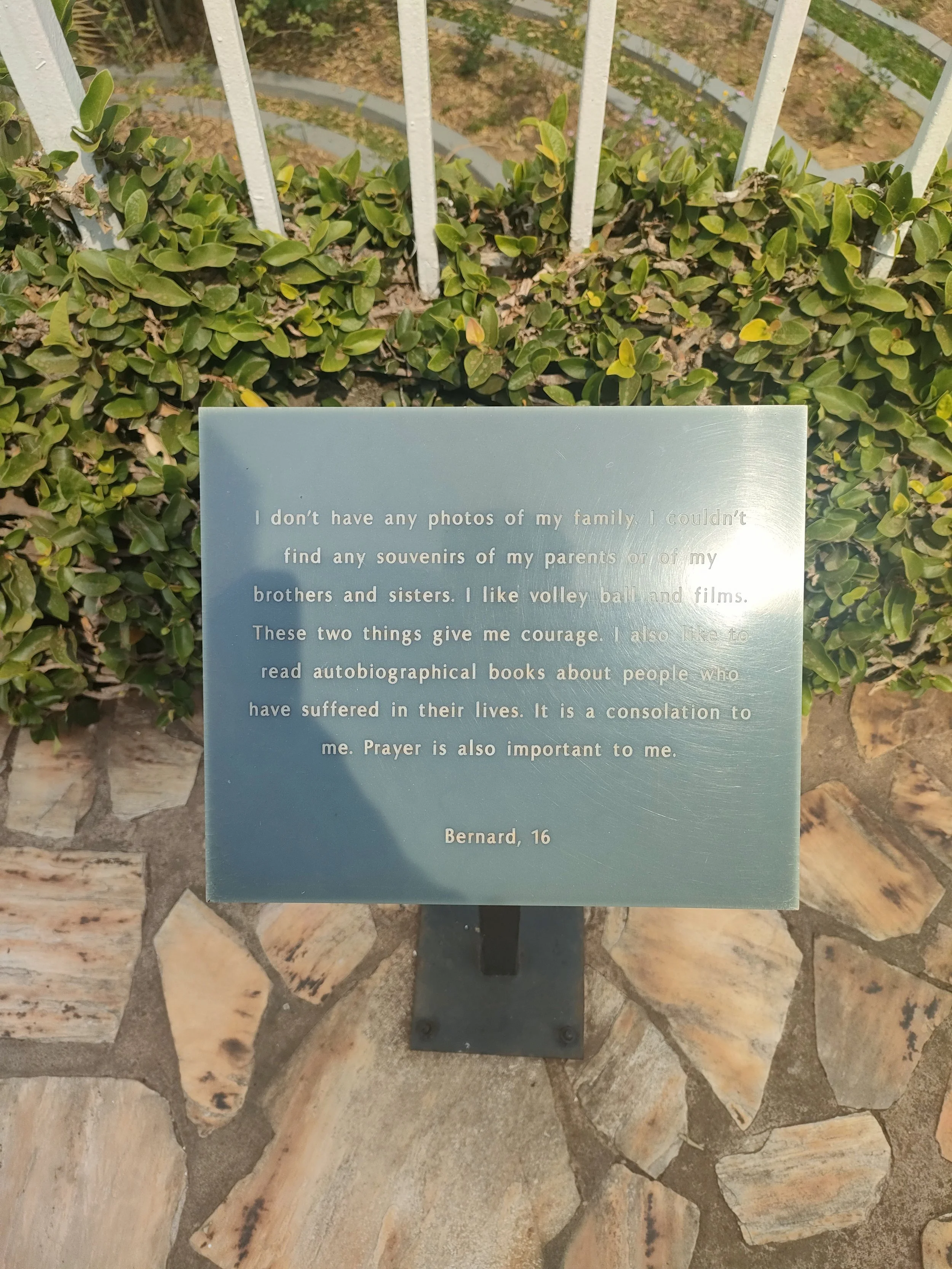
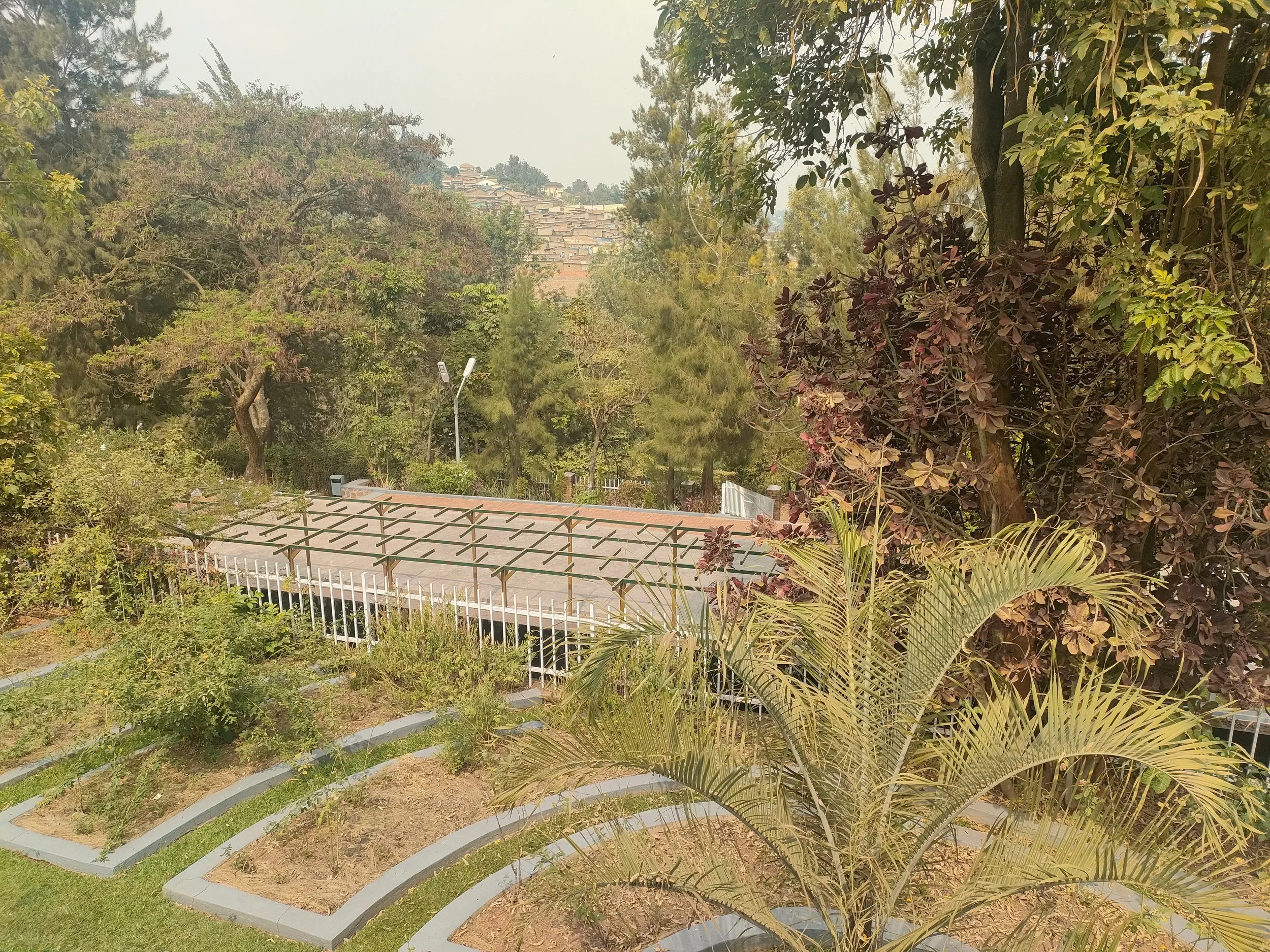
This is not accidental. Rwanda has chosen exhaustion over shock. The memorial does not overwhelm you with horror in a single moment. It wears you down through repetition, scale, and proximity.
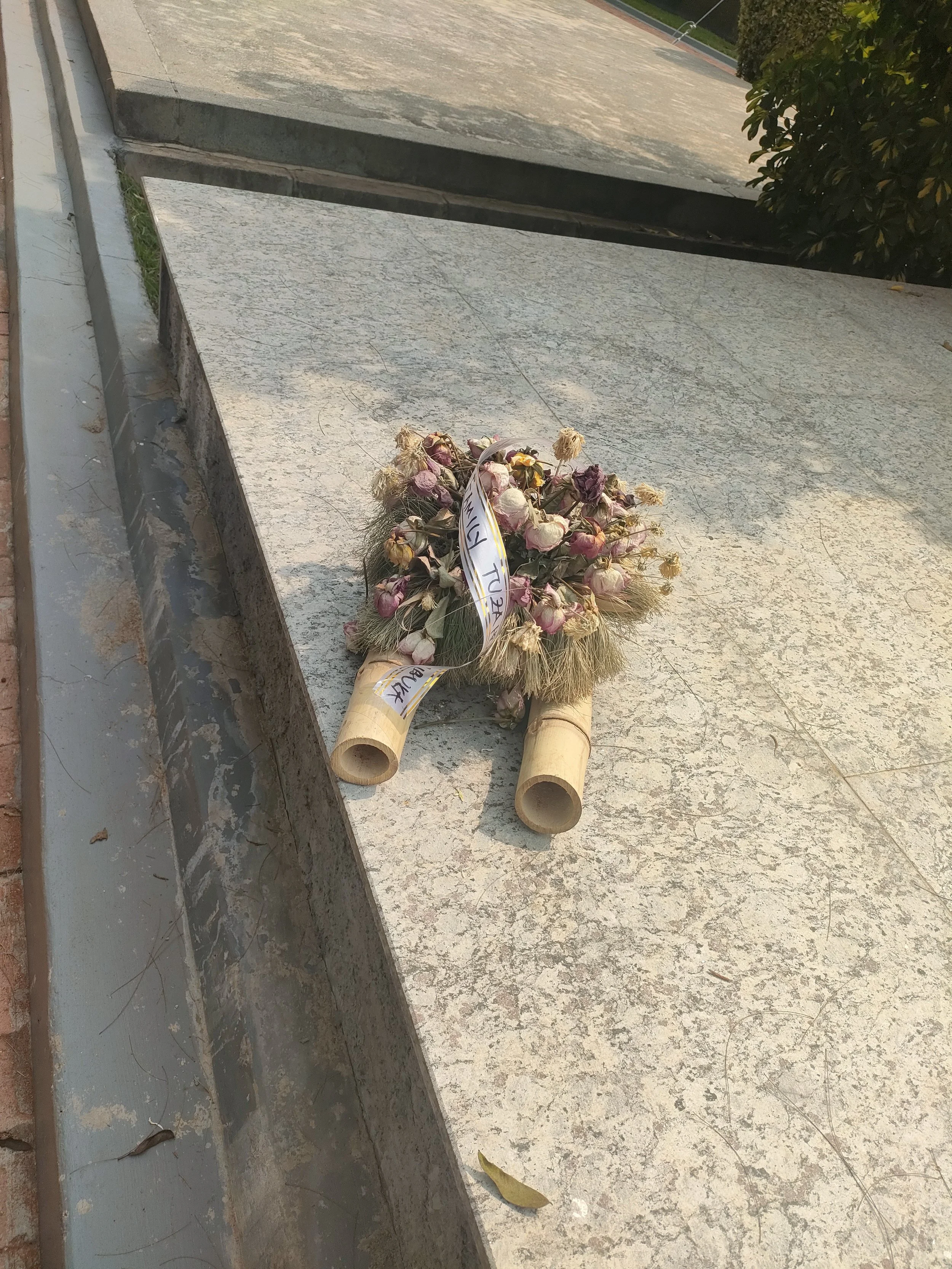
Even the presence of human remains beneath glass is presented without drama. Flowers are placed gently. Names are carved sparingly. The effect is cumulative rather than explosive.
This is mourning designed to educate, not to provoke.
In 2023, UNESCO formally recognised a group of Rwandan genocide memorial sites, including Gisozi, as a World Heritage property. The designation places Rwanda’s memory of genocide on an international register, framing it not only as a national tragedy, but as a global warning.
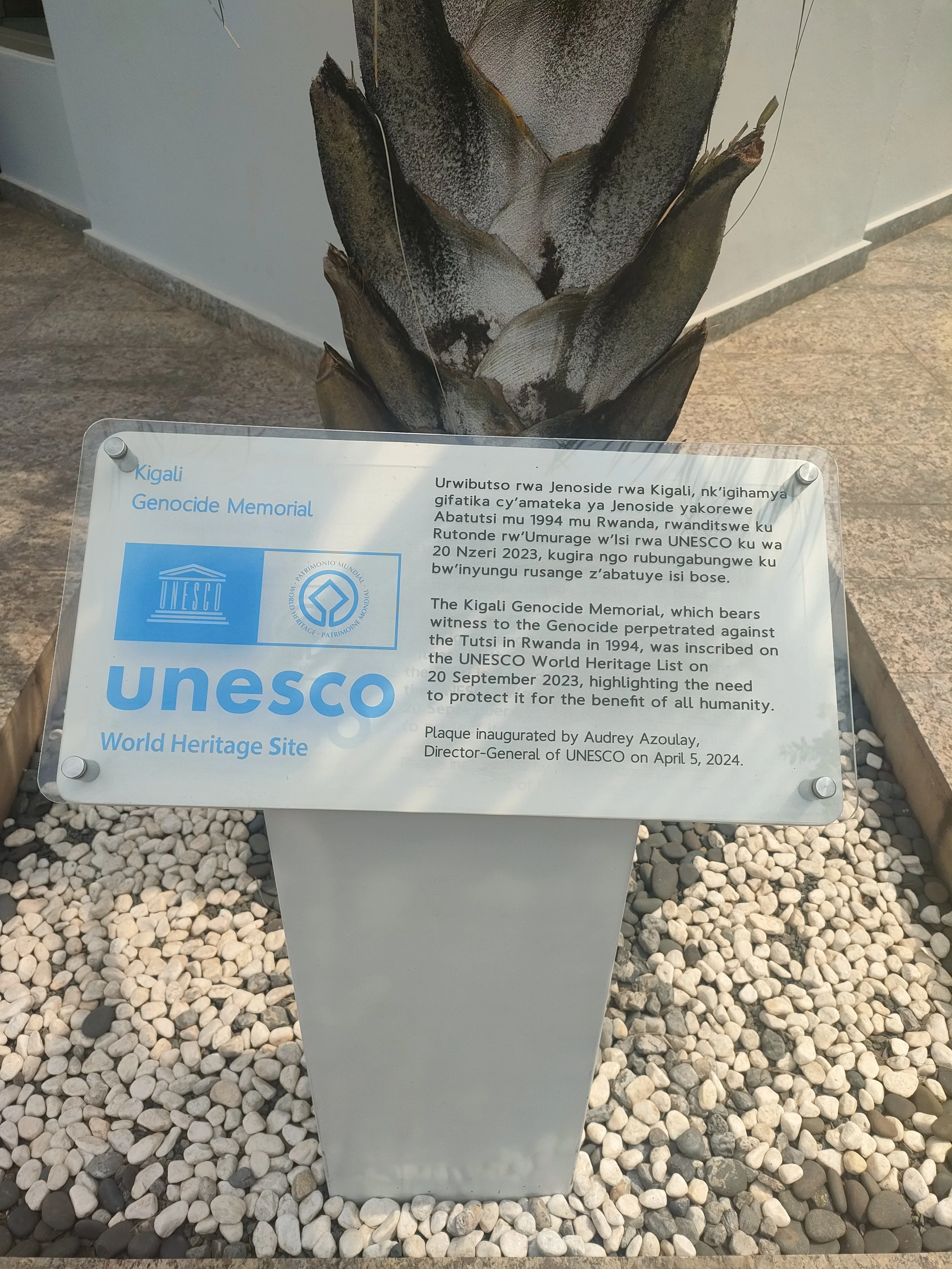
This UNESCO plaque sits atop of mass graves.
That recognition matters. It asserts that what happened in Rwanda is not an internal story, or an African story, or a closed chapter. It is a failure with international dimensions and international implications.
The silence after the trigger.
The memorial does not dwell on a single moment as the cause of the genocide, but one event inevitably hangs over the narrative.
On 6 April 1994, the plane carrying Rwandan President Juvénal Habyarimana and Burundian President Cyprien Ntaryamira was shot down as it approached Kigali airport. All on board were killed.
The shootdown did not create the genocide. But it opened the gates.
Within hours, roadblocks appeared. Killings began. Moderate political figures were targeted first, followed by systematic mass violence against Tutsi civilians.
The memorial treats this moment carefully. There is no spectacle. No imagery of wreckage. No invitation to conspiracy. Instead, it is presented as a catalyst in a system already primed for destruction.
That restraint is deliberate.
From grief to governance.
Leaving the Kigali Genocide Memorial, you carry weight rather than answers. The site does not offer redemption. It offers clarity.
To encounter the second pillar of Kigali’s memory culture, you move from burial ground to institution, from mourning to mobilisation.
The Campaign Against Genocide Museum.
Agency, discipline, and survival.
Located at the Parliamentary complex, the Campaign Against Genocide Museum tells a fundamentally different story.
Where the Genocide Memorial centres victims, the Campaign Museum centres action. Specifically, it centres the military campaign led by the Rwanda Patriotic Front that ultimately halted the killings in July 1994.
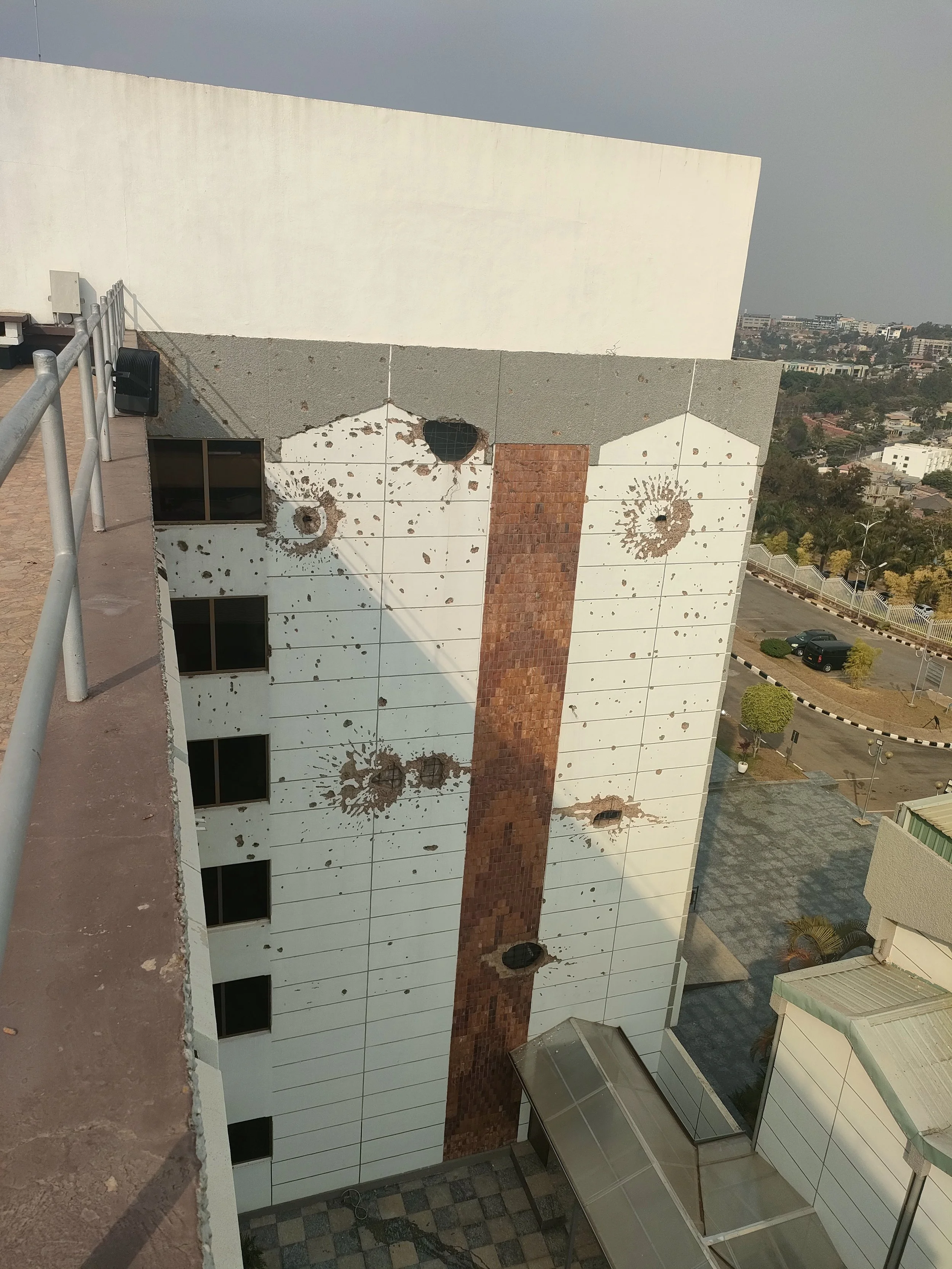
The Campaign Against Genocide Museum exterior, still bears the scars..
This is not a museum of grief. It is a museum of movement.
The language is assertive. The visual vocabulary is forward-facing. Sculptures depict armed figures advancing uphill, bodies leaning into effort, eyes fixed ahead.
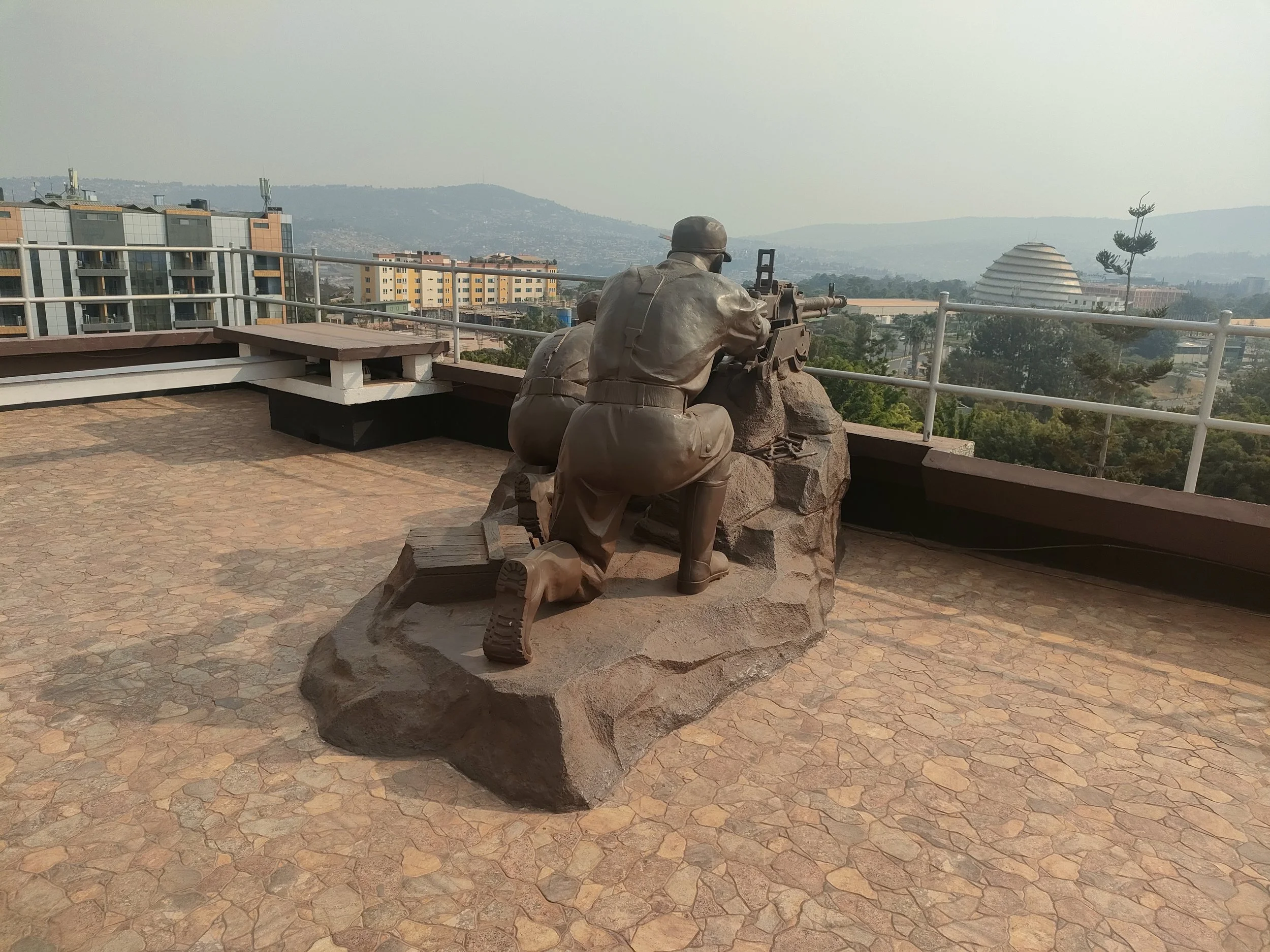
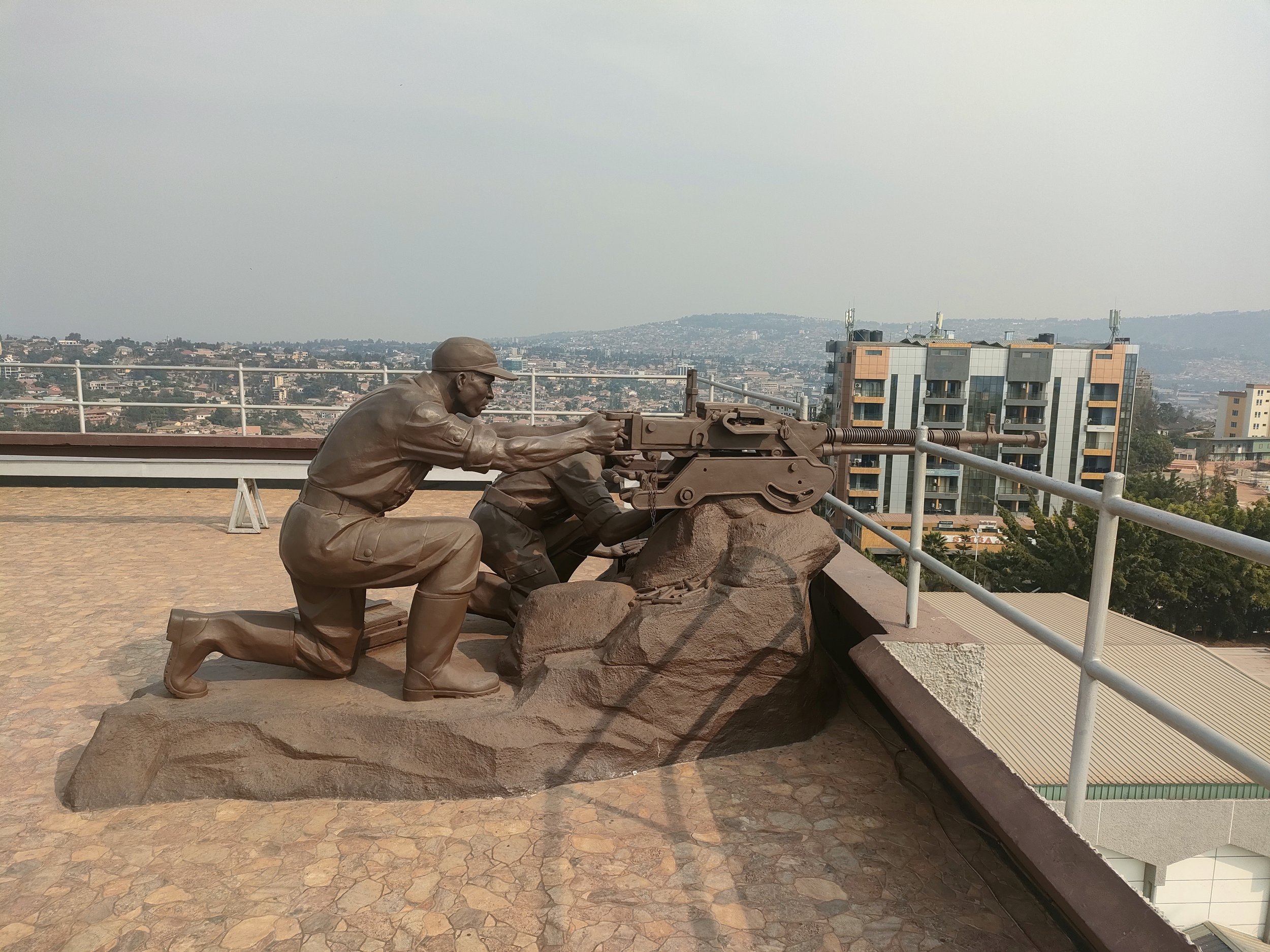
From the elevated vantage points around the museum, the city spreads out behind the figures. The implication is unmistakable. Kigali is not only a site of suffering. It is a city that was taken back.
The museum’s narrative insists on a truth that is often uncomfortable for international audiences. The genocide did not end because the world intervened. It ended because one force advanced, decisively, while international institutions stalled.
This framing is not neutral. It is a claim to legitimacy.
The story Rwanda insists on telling.
The Campaign Against Genocide Museum exists in dialogue with international failure, even when it does not name it directly.
During the genocide, the United Nations Assistance Mission for Rwanda operated under a severely limited mandate. After the murder of ten Belgian peacekeepers in the opening days of the violence, Belgium withdrew its forces. Rather than reinforce the mission, the UN reduced its presence.
Rwanda remembers this.
The Campaign Museum does not dwell on abandonment. It moves past it. Its emphasis is on discipline, restraint, and the idea that the RPF fought not only to win, but to stop killing as it advanced.
This is the story Rwanda wants preserved alongside the graves.
Two museums, one controlled narrative.
Taken together, Kigali’s two genocide museums perform a careful balancing act.
The Kigali Genocide Memorial says:
This happened. Here is the proof. Here are the bodies. Here is the scale.
The Campaign Against Genocide Museum says:
This was stopped. Here is how. Here is who acted. Here is why survival required force.
Between them lies the core of Rwanda’s modern identity.
Rwanda does not allow genocide denial. It also does not allow the story of its survival to be written entirely by outsiders. Memory here is not passive. It is governed.
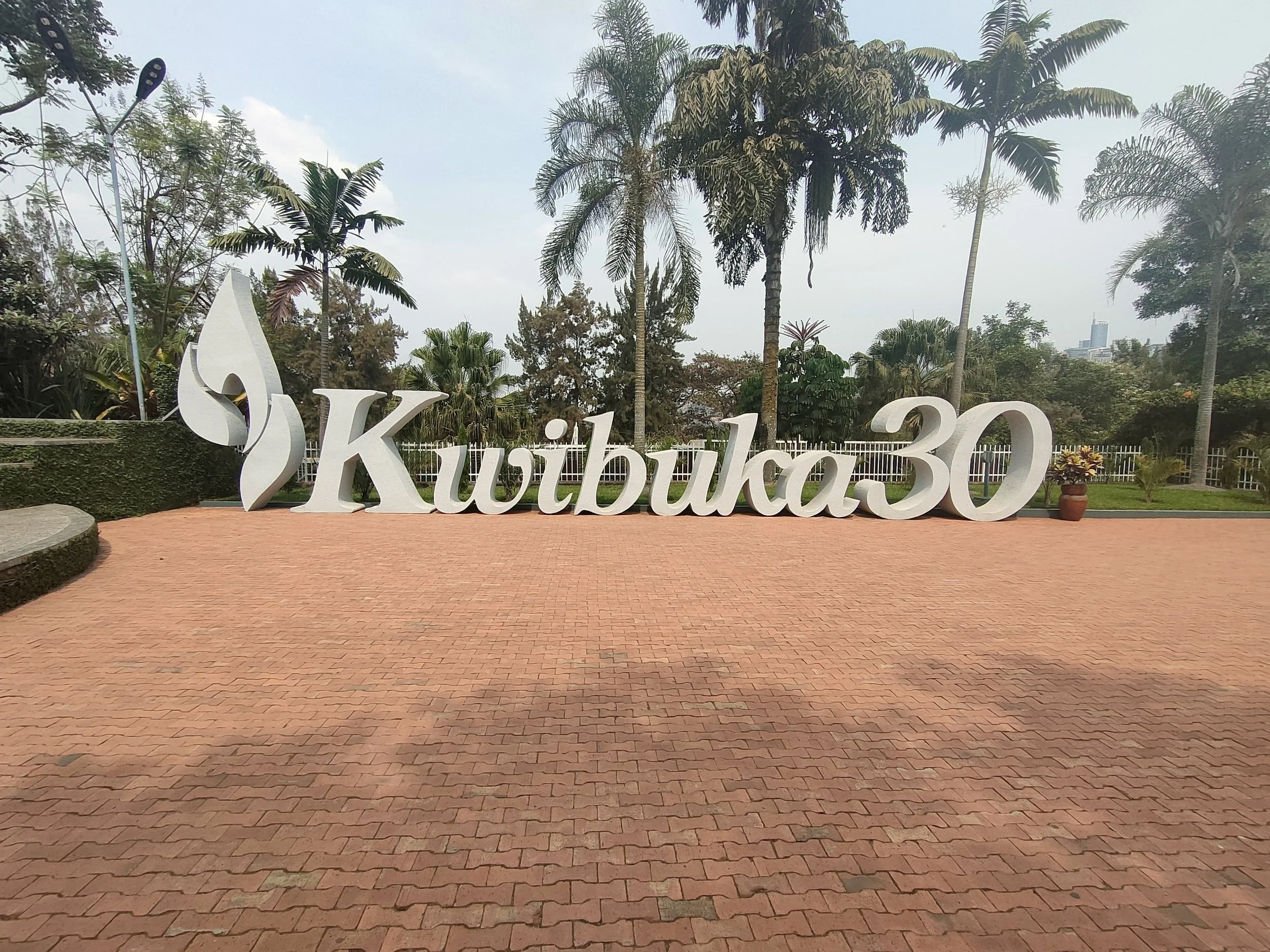
Remember.
The presence of “Kwibuka 30” signage, marking three decades since 1994, underscores a final reality. Memory in Rwanda is no longer only about survivors. It is about inheritance. About what is passed to those who did not witness the violence but live in its shadow.
Why this matters beyond Rwanda.
It is tempting to treat Rwanda as a case study, an exception, a tragedy safely located in the past.
Kigali’s museums resist that impulse.
They insist that genocide is modern, bureaucratic, and fast. That language matters. That withdrawal has consequences. That survival does not always come from consensus or diplomacy.
And they pose an uncomfortable question to the rest of the world.
If Rwanda remembers because the world failed to protect, what does that say about the systems still in place today?
