Cyfarthfa: The Welsh Furnace That Set the World in Motion.
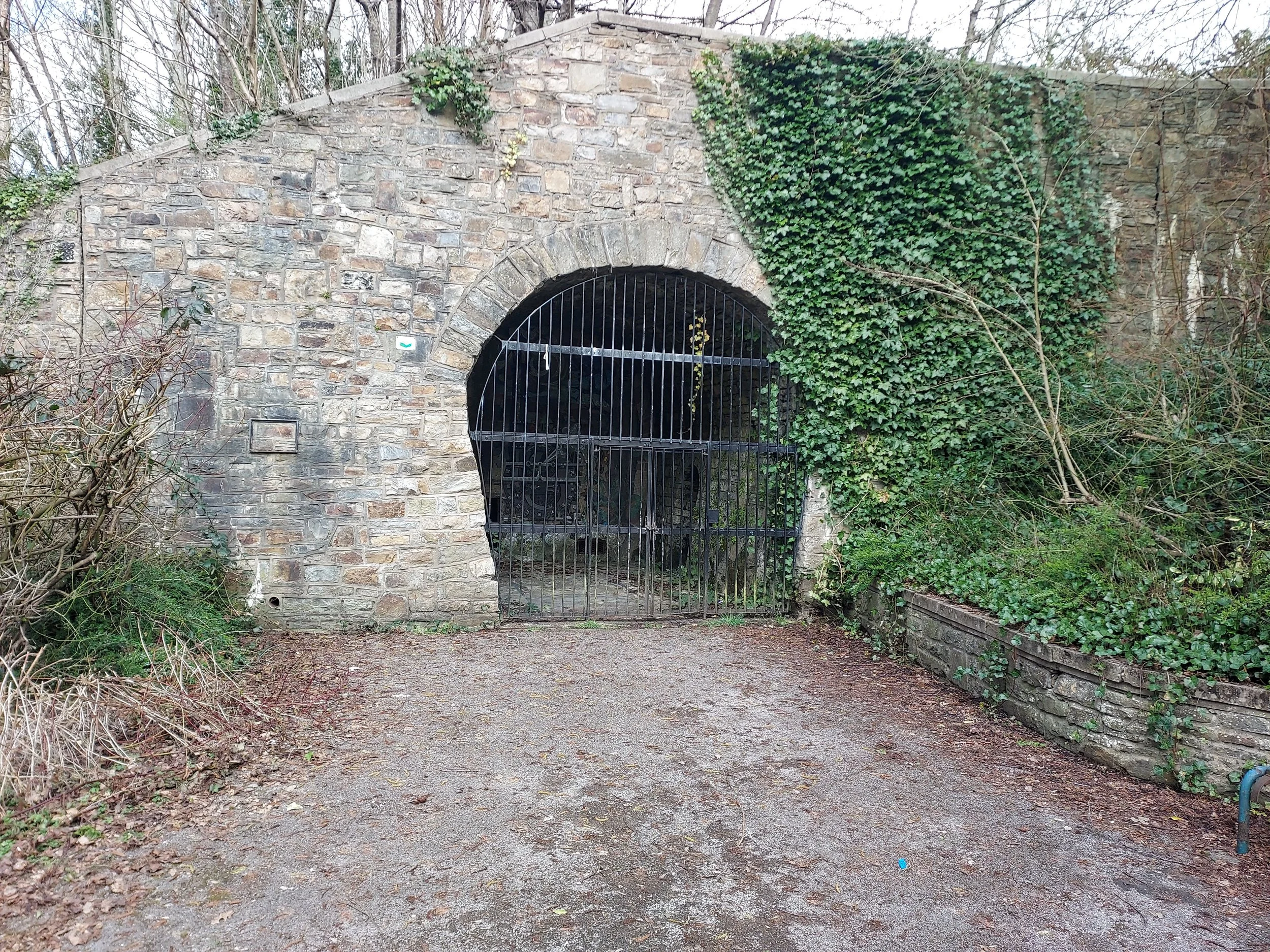
At first glance, the remains of Cyfarthfa Ironworks look like a quiet corner of stone and shadow. Six empty furnace arches. A river bending past a silent bank. Nothing here suggests that this once was the beating heart of a global revolution.
But Cyfarthfa was not only one of Wales’s great ironworks. For half a century it was one of the most important industrial sites on Earth. From the late eighteenth century to the height of the Victorian era, this valley shaped the modern world. Rails rolled for Russia. Cannons cast for Canada. Iron shipped to India, Argentina and the Caribbean. Ideas that travelled far beyond Wales.
This is where Merthyr Tydfil became known to the world.
This is where the future was forged.
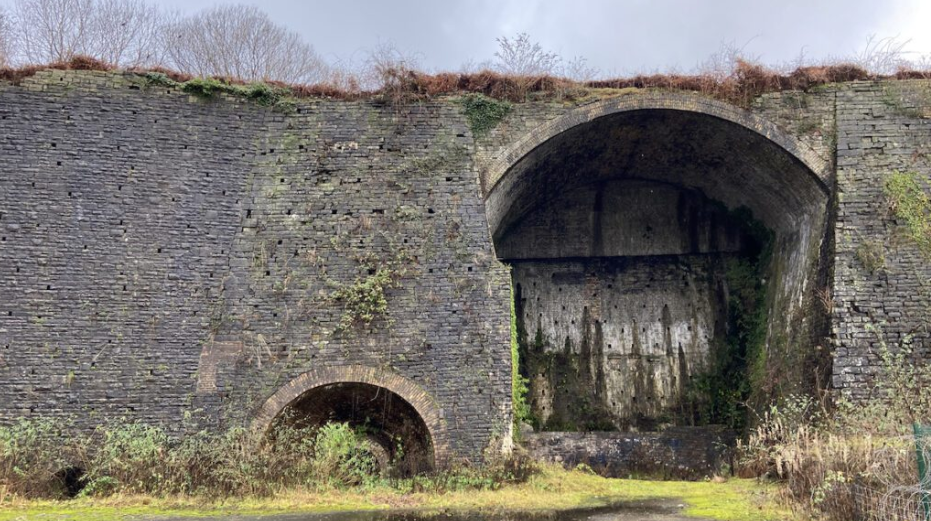
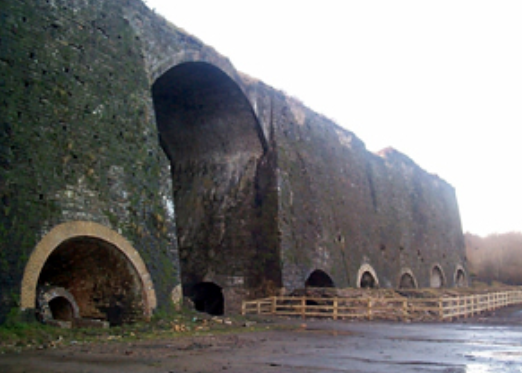
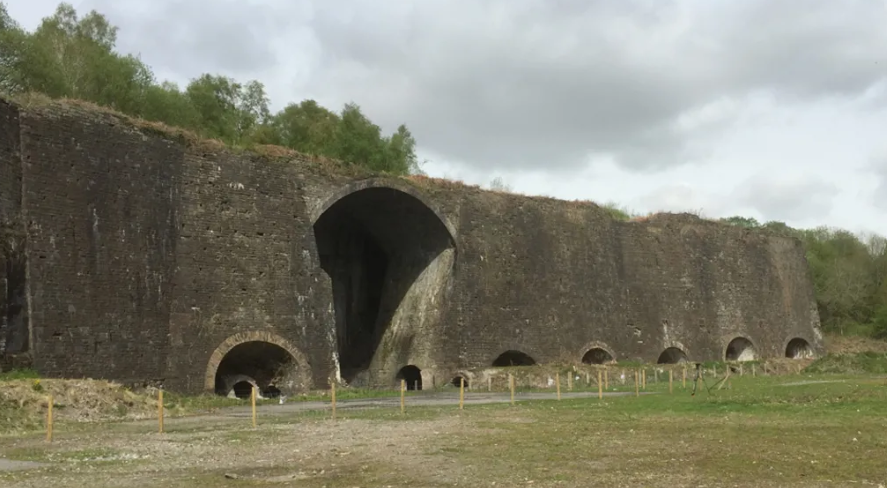
The Valley That Learned to Burn Hotter Than Anyone Else.
Cyfarthfa succeeded because everything it needed lay within reach. Rich seams of coal. Surface iron ore. Streams that could be channelled into power. Limestone under the hills. And engineers willing to challenge every tradition of heat, pressure and design.
From the 1780s onward, Richard Crawshay transformed the works. He embraced Henry Cort’s new puddling process, built advanced rolling mills and drove the furnaces harder than anyone else. By the dawn of the nineteenth century, Cyfarthfa was producing vast quantities of high quality wrought iron. It travelled down the Glamorganshire Canal to Cardiff, and from there to the world.
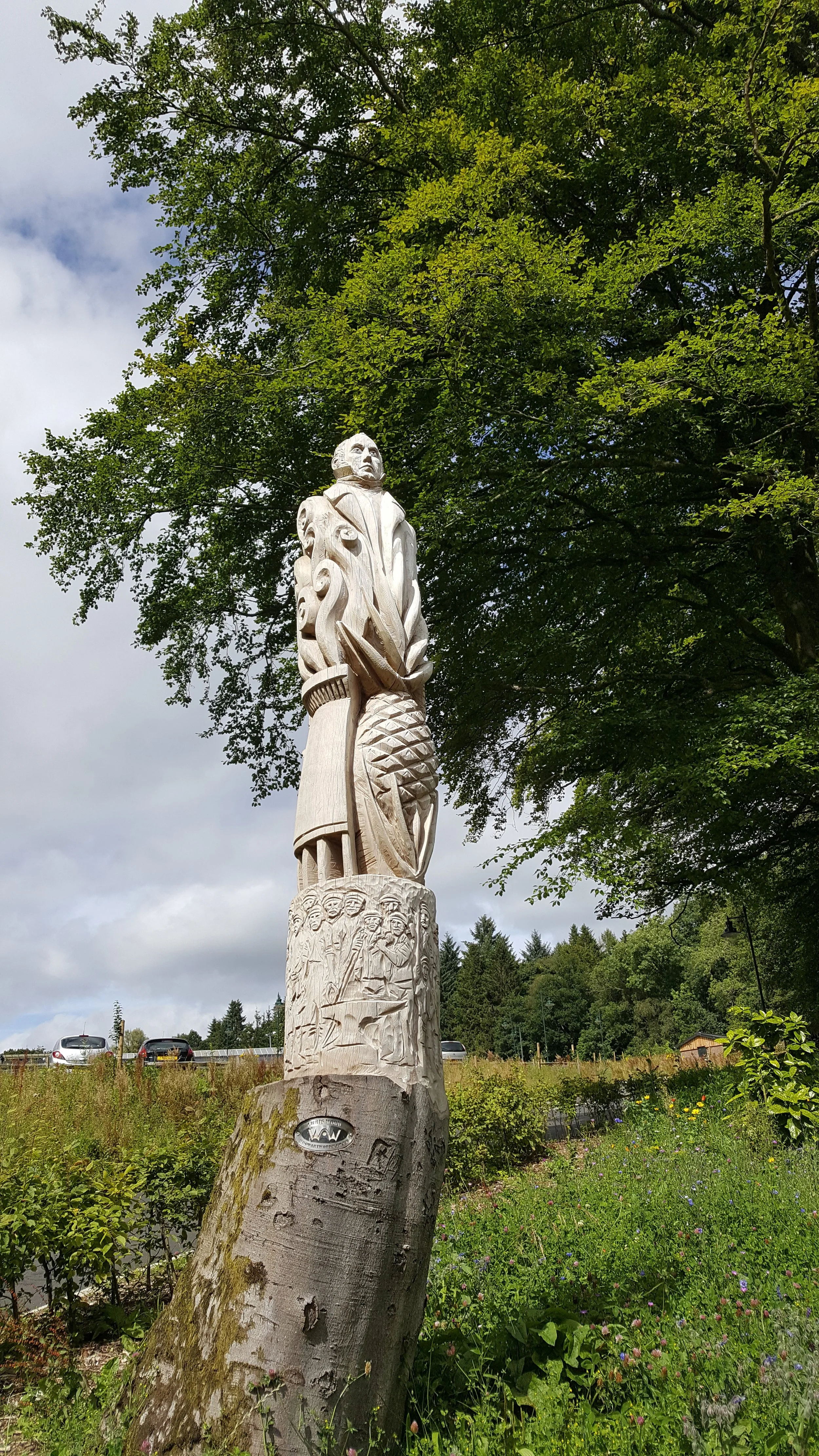
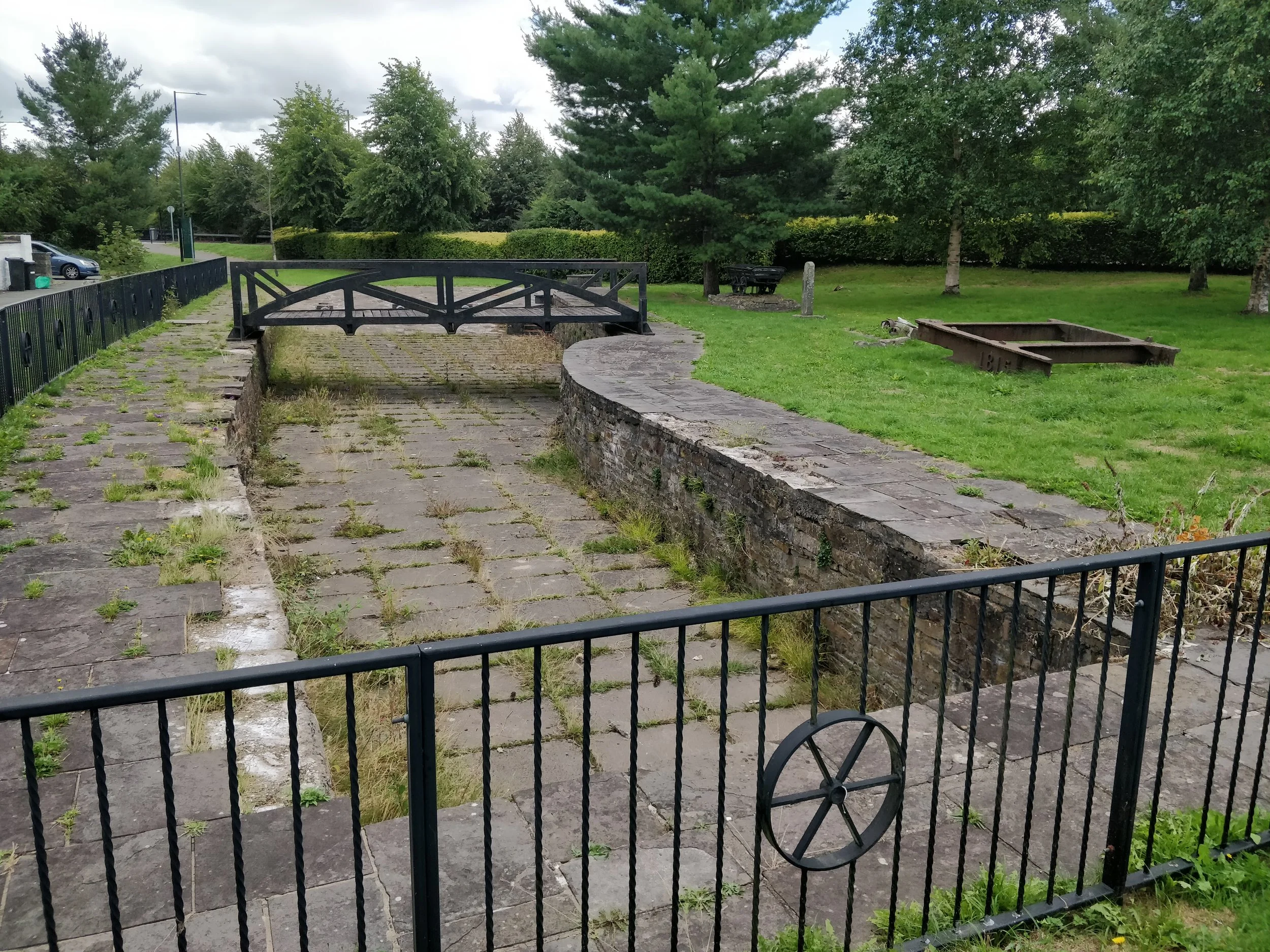
Wherever iron mattered, Wales mattered.
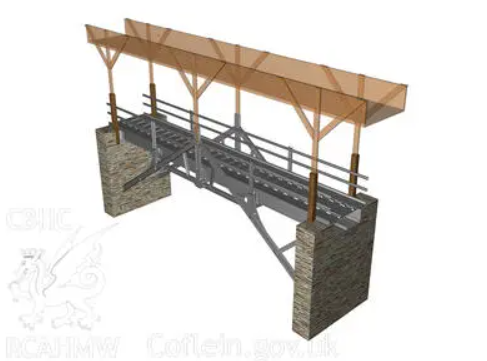
Pont y Cafnau: Prototype for Bridges Across the Earth.
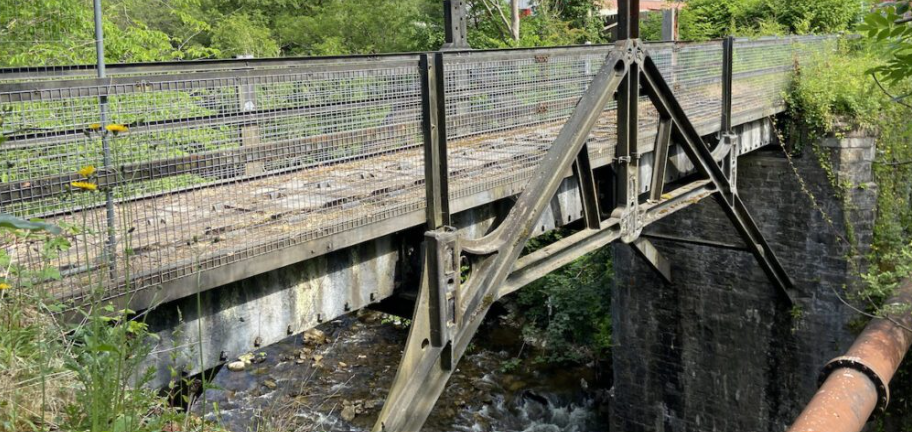
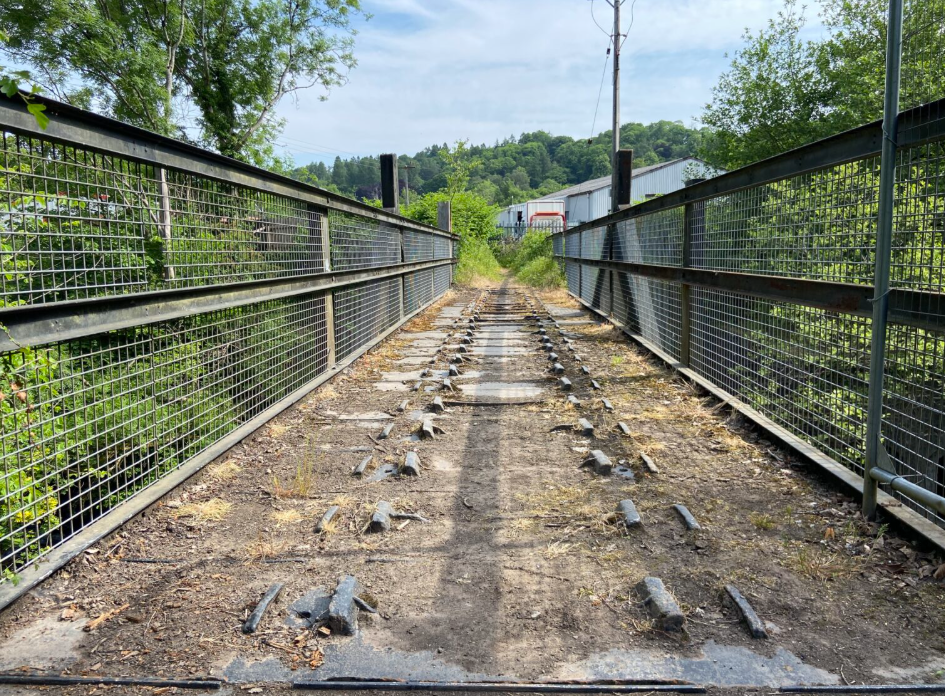
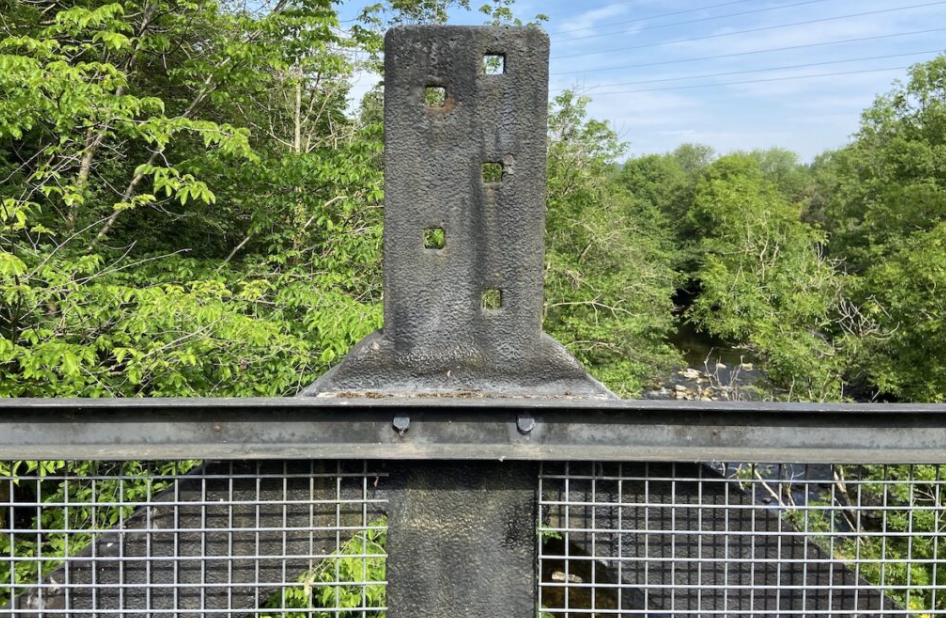
Pont y Cafnau, built in 1793, is the oldest surviving iron railway bridge on the planet. At first glance it looks almost modest, but its impact was enormous.
It carried water. It carried a tramroad. It carried the idea that iron could replace wood and stone. Engineers across Britain and beyond adopted its logic. Iron truss design spread across Europe, across oceans and into the foundation of modern bridge building.
Cyfarthfa did not only produce iron. It pioneered what iron could do.
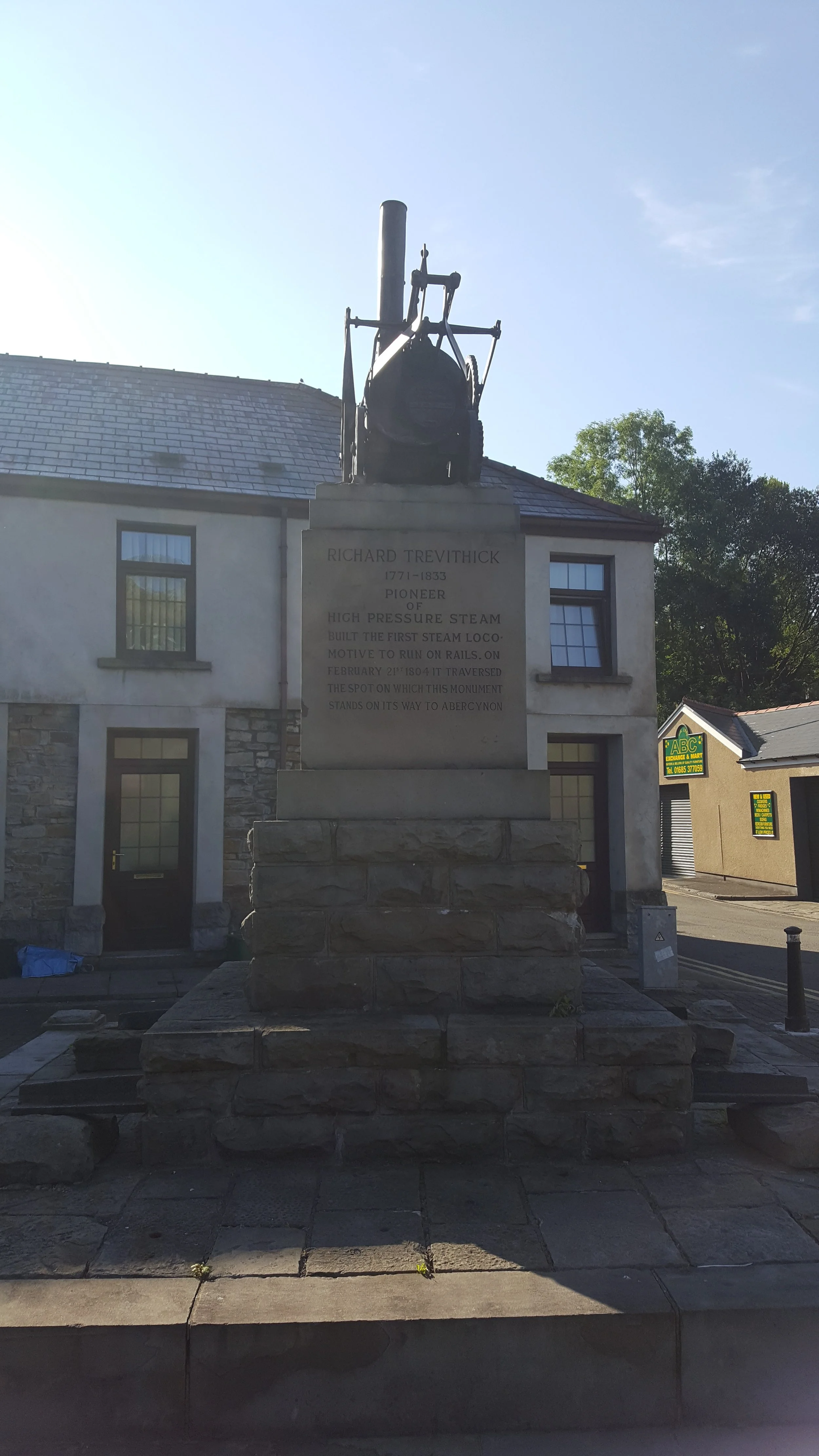
Richard Trevithick and the Train That Changed Everything.
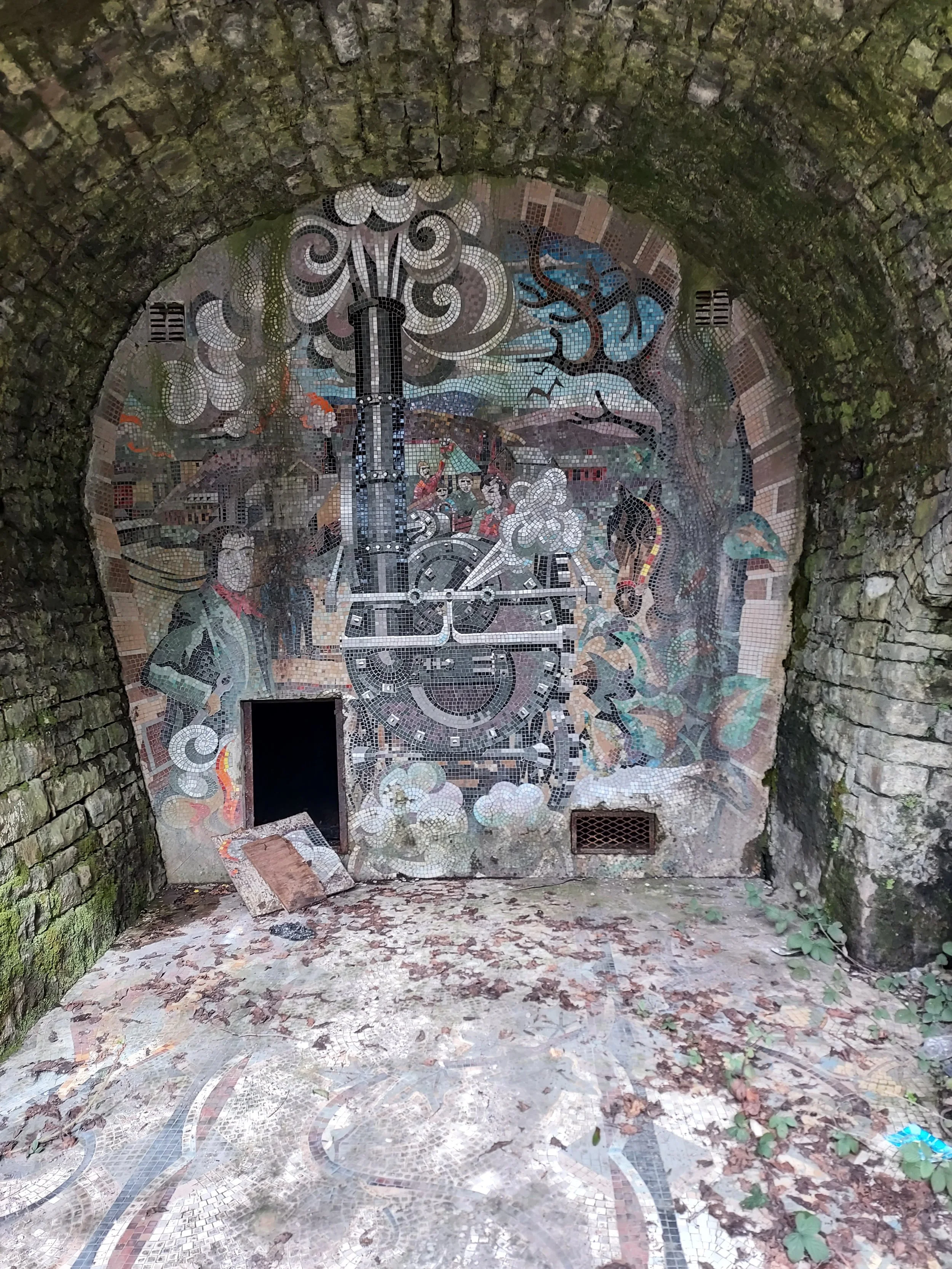
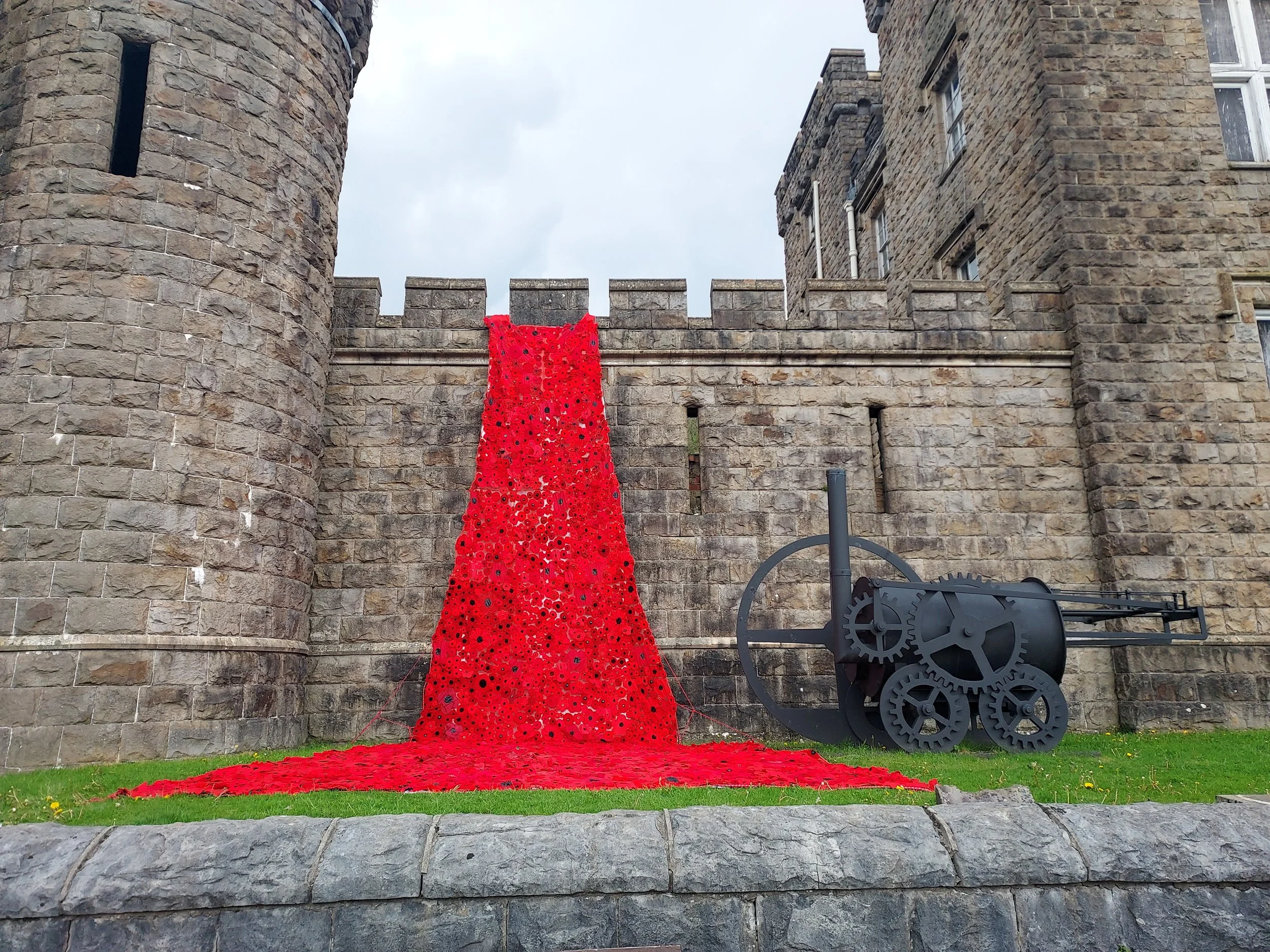
In 1804, inside this industrial cluster, Richard Trevithick built the first steam locomotive to run on rails. His engine travelled from Penydarren to Abercynon while hauling ten tons of iron and more than sixty passengers.
It was the first successful railway journey in human history.
And why did it happen in Merthyr? Because Cyfarthfa and its neighbouring works had already created one of the most advanced iron environments on Earth. There were furnaces capable of precision casting. Tramroads ready to test weight. Engineers accustomed to new pressures and new machinery.
The global railway age began here.
The rails of Russia, India and North America trace their roots to this valley.
The Bessemer Revolution: Wales as the Foundation of Modern Steel.
Before steel reshaped cities and empires, the world needed uniform, high quality wrought iron. Cyfarthfa produced exactly that.
Welsh puddled iron was renowned for its consistency, and early steelmakers studied it closely. Without this era of advanced wrought ironmaking, the Bessemer process would have lacked the reliable input it required. The leap to steel stood on Welsh foundations.
Steel changed everything.
And the path to steel ran through Merthyr Tydfil.
Wales to the World: Cyfarthfa’s Global Reach.
Cyfarthfa iron travelled farther than most people ever imagined.
Rails laid across the Russian Empire began as molten Welsh metal.
A Merthyr engineer, John Hughes, founded the ironworks that became the city of Donetsk.
Royal Navy ships carried Cyfarthfa cannon to defend ports in Canada and the Caribbean.
Iron bound for India, South America and Australia passed through Cardiff docks, much of it forged in the heat of Cyfarthfa’s furnaces.
Wherever the nineteenth century connected itself, Wales was beneath it.