

 Image 1 of 1
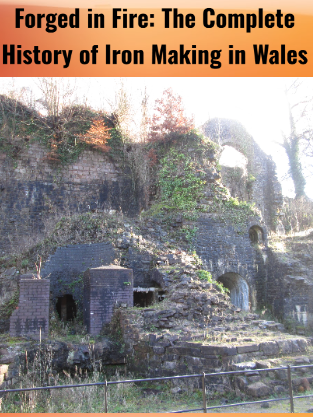
This comprehensive exploration, titled Forged in Fire: The Complete History of Iron Making in Wales, delves into the intricate narrative of Wales' iron industry from its prehistoric roots to contemporary legacies. It begins with an examination of early iron usage, tracing back to prehistoric and Roman times, highlighting geographical influences and initial techniques employed in metalworking.
The narrative progresses through the medieval period, detailing the operation of bloom furnaces at monastic sites and their current states. As it transitions into the rise of industry between the sixteenth and eighteenth centuries, key developments such as charcoal use, water power, and innovations like coke-fired furnaces are discussed alongside notable figures who shaped this evolution.
The Industrial Revolution marks a pivotal chapter where steam power and extensive transport networks propelled Wales to global prominence in iron production. Major Welsh ironworks—including Cyfarthfa, Dowlais, and Blaenavon, are examined for their historical significance, peak operations, community impacts, and what remnants exist today.
A dedicated section on Merthyr Tydfil elucidates its status as the world’s iron capital through key events like the Merthyr Rising while reflecting on its social fabric. Technological advancements such as blast furnaces and rolling mills are also detailed alongside insights into life within iron towns marked by migration and cultural identity.
Finally, the decline of this once-thriving industry is chronicled alongside its lasting global legacy, where Welsh iron was utilized worldwide, and ongoing efforts for heritage conservation. This book offers a structured account that balances factual history with reflective storytelling.
This comprehensive exploration, titled Forged in Fire: The Complete History of Iron Making in Wales, delves into the intricate narrative of Wales' iron industry from its prehistoric roots to contemporary legacies. It begins with an examination of early iron usage, tracing back to prehistoric and Roman times, highlighting geographical influences and initial techniques employed in metalworking.
The narrative progresses through the medieval period, detailing the operation of bloom furnaces at monastic sites and their current states. As it transitions into the rise of industry between the sixteenth and eighteenth centuries, key developments such as charcoal use, water power, and innovations like coke-fired furnaces are discussed alongside notable figures who shaped this evolution.
The Industrial Revolution marks a pivotal chapter where steam power and extensive transport networks propelled Wales to global prominence in iron production. Major Welsh ironworks—including Cyfarthfa, Dowlais, and Blaenavon, are examined for their historical significance, peak operations, community impacts, and what remnants exist today.
A dedicated section on Merthyr Tydfil elucidates its status as the world’s iron capital through key events like the Merthyr Rising while reflecting on its social fabric. Technological advancements such as blast furnaces and rolling mills are also detailed alongside insights into life within iron towns marked by migration and cultural identity.
Finally, the decline of this once-thriving industry is chronicled alongside its lasting global legacy, where Welsh iron was utilized worldwide, and ongoing efforts for heritage conservation. This book offers a structured account that balances factual history with reflective storytelling.