Babylon: Architecture of Power.
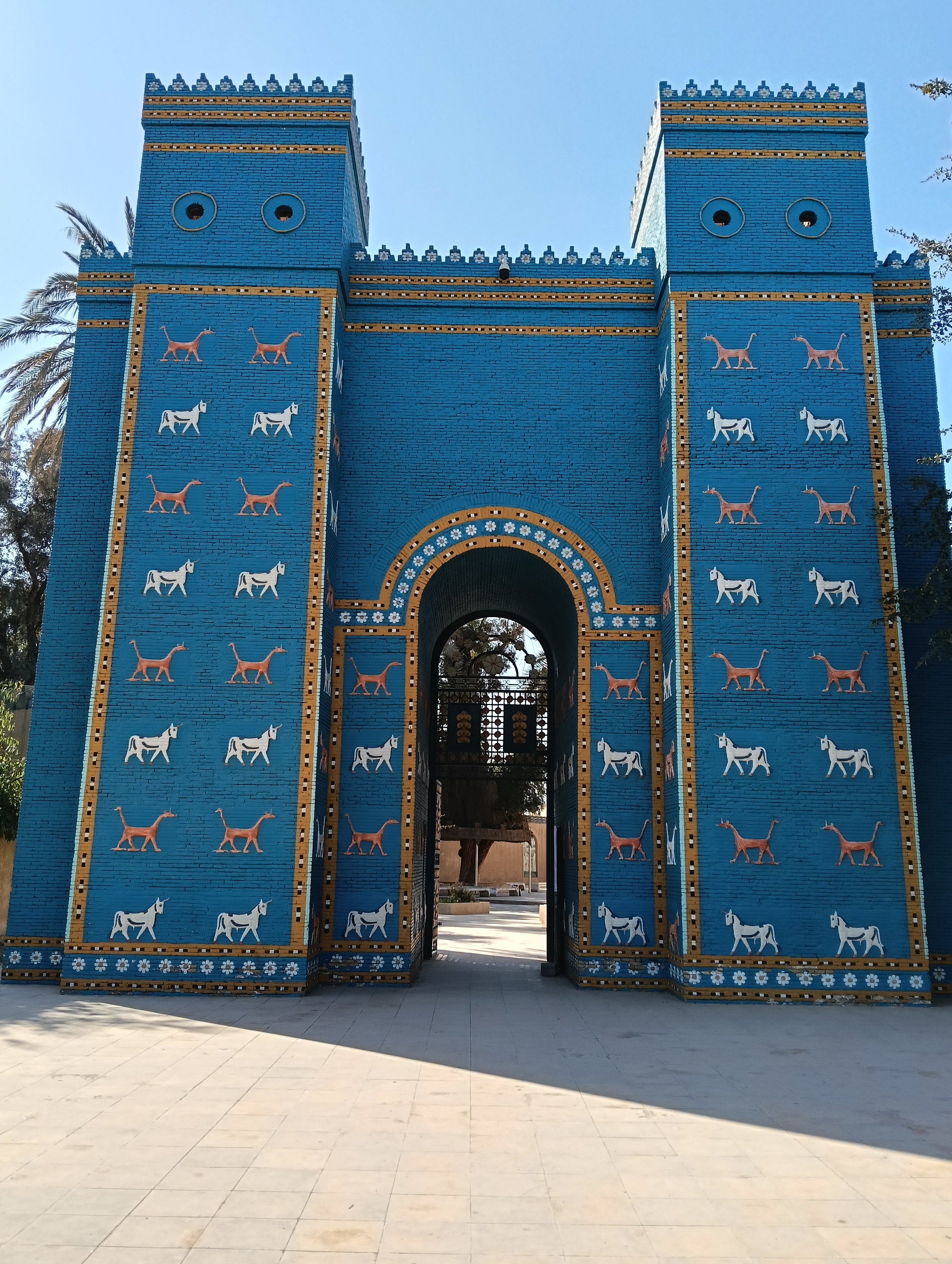
A replica of the magnificent Ishtar Gate. The original is on display at the Pergamon Museum in Berlin.
Babylon does not begin as myth. It begins as a solution.
In the floodplains of southern Mesopotamia, between the Euphrates and the Tigris, survival demanded coordination. Water had to be channelled. Crops had to be protected. Surplus had to be stored. Disputes had to be settled. Once those problems were solved at scale, something irreversible happened. The village became the city. The city became the system.
Babylon was one of the most successful systems humanity ever built.
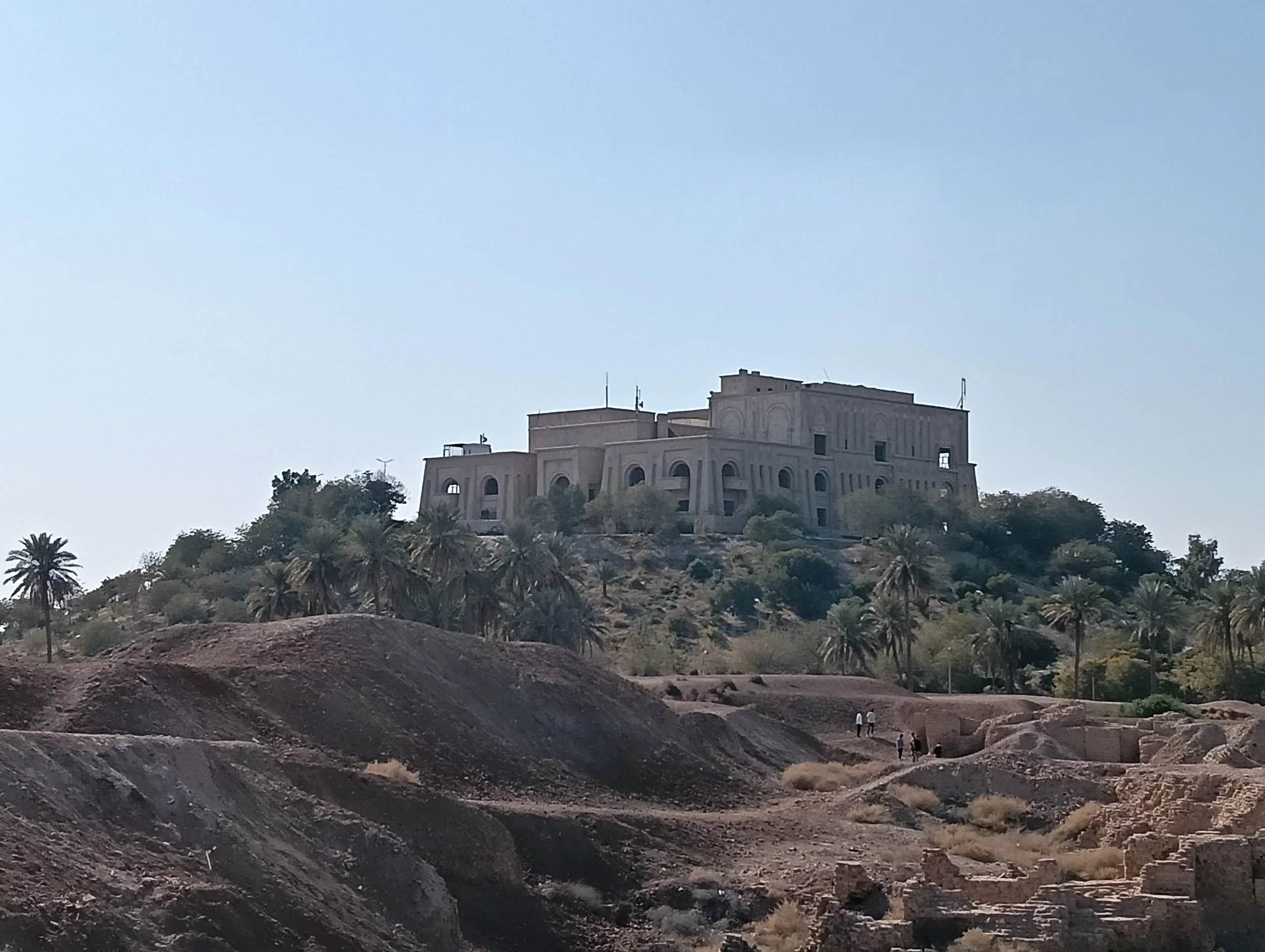
What remains today is not stone grandeur but mud brick geometry, stretched thin by time and weather. That fragility hides resilience. For more than a thousand years Babylon adapted, absorbed conquerors, rewrote itself, and endured.
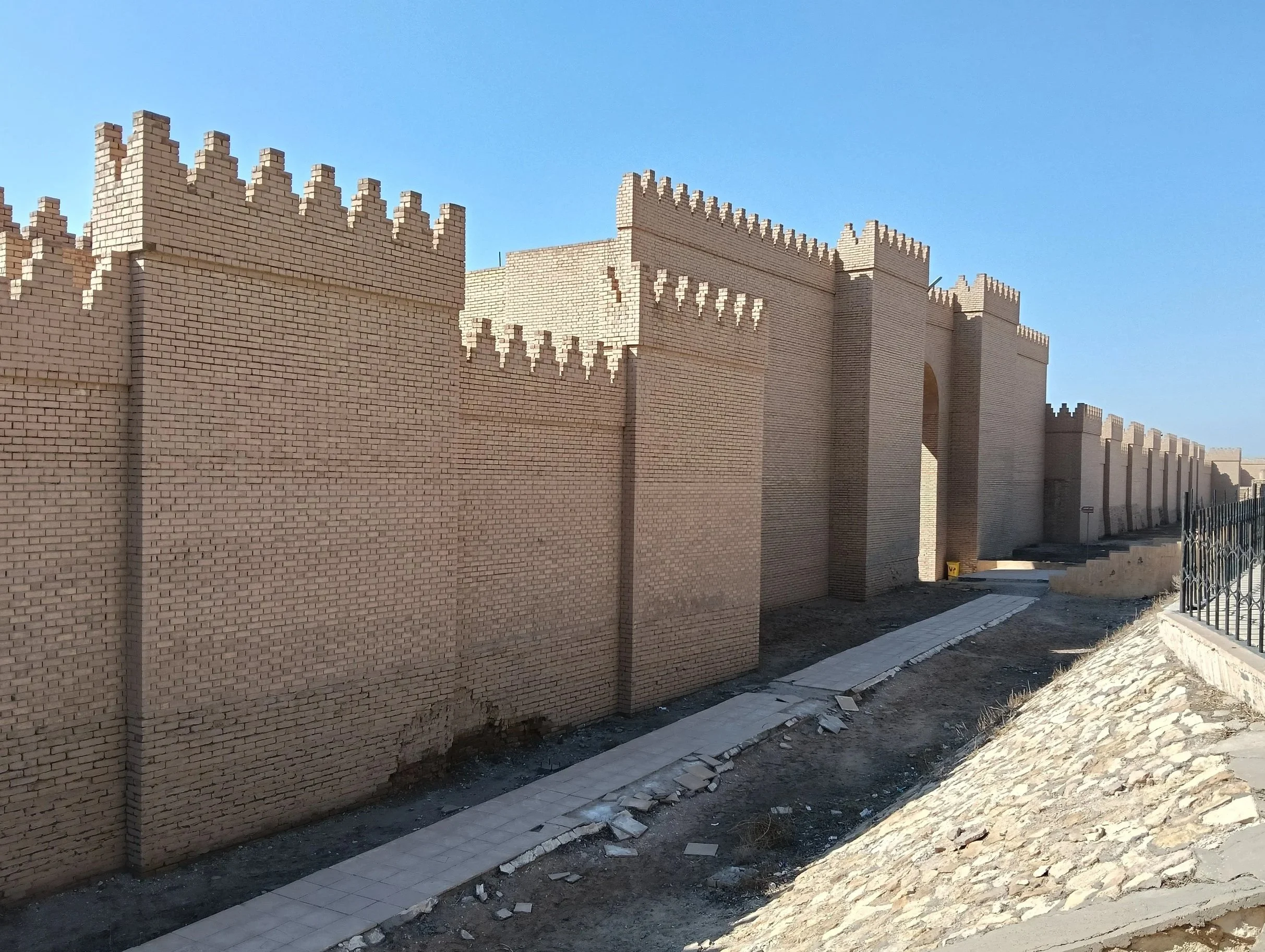
The imposing outer walls of the city.
A City Shaped by Water.
The city’s location was its first advantage. The rivers offered fertility, but also unpredictability. Floods could nourish or destroy. Managing water meant managing labour. Managing labour required authority. Authority demanded record-keeping. Babylon did not invent these processes, but it refined them until governance itself became one of its greatest technologies.
This was not power imposed overnight. It was power that emerged gradually, through necessity. Babylon learned that order was not optional. It was the price of survival.
From Settlement to System.
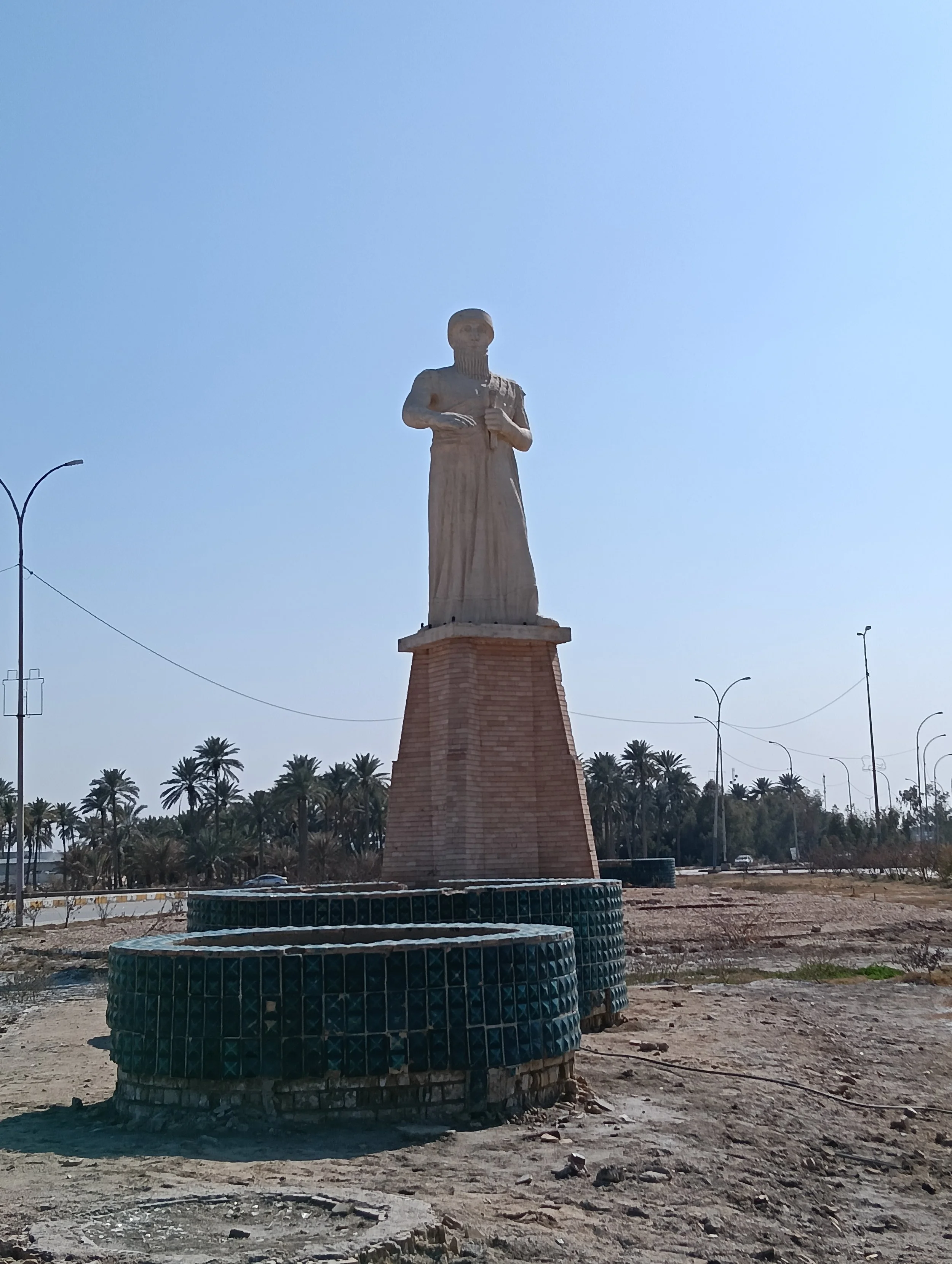
Babylon’s earliest prominence emerges during the Old Babylonian period, particularly under Hammurabi. His reputation today rests on law, but law was only one expression of a deeper ambition: permanence. Written authority allowed the city to speak beyond the presence of its rulers. Justice became predictable. It also became impersonal. The city learned to speak in rules.
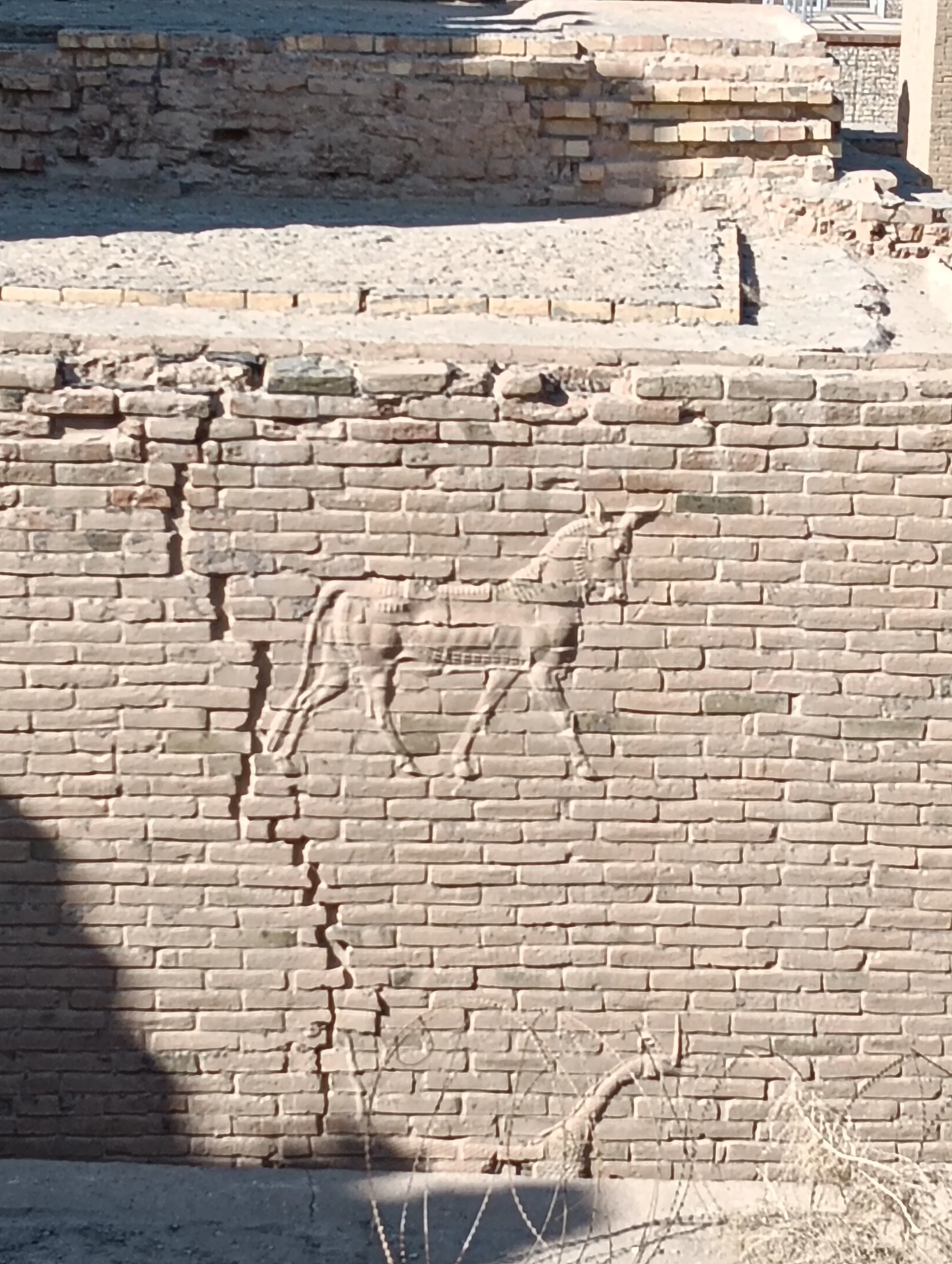
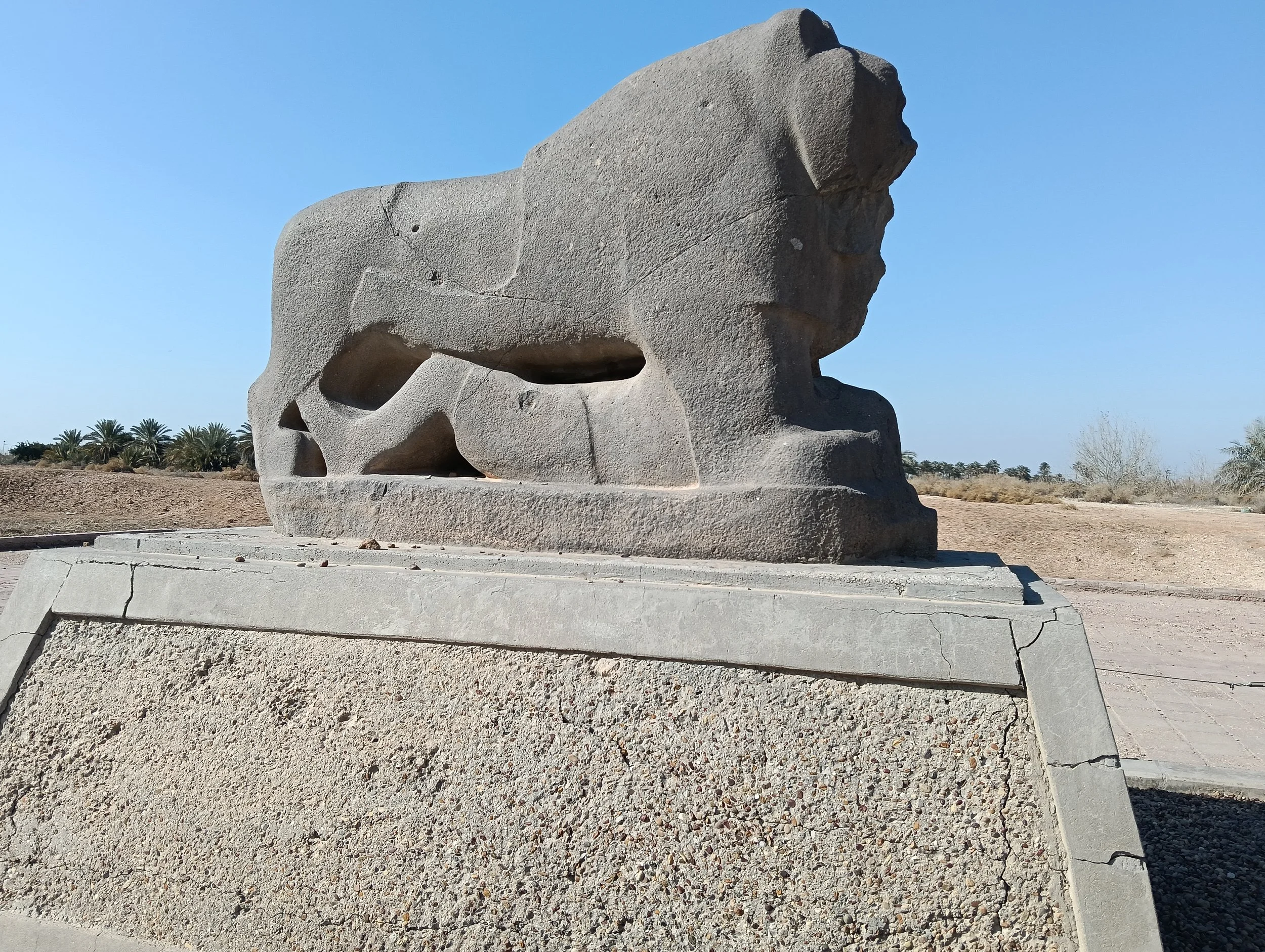
Animal reliefs line the city walls.
This principle, that order could be fixed and enforced across generations, transformed Babylon from a regional power into a model. Later empires did not simply conquer Babylon. They inherited its logic.
Architecture as Authority.
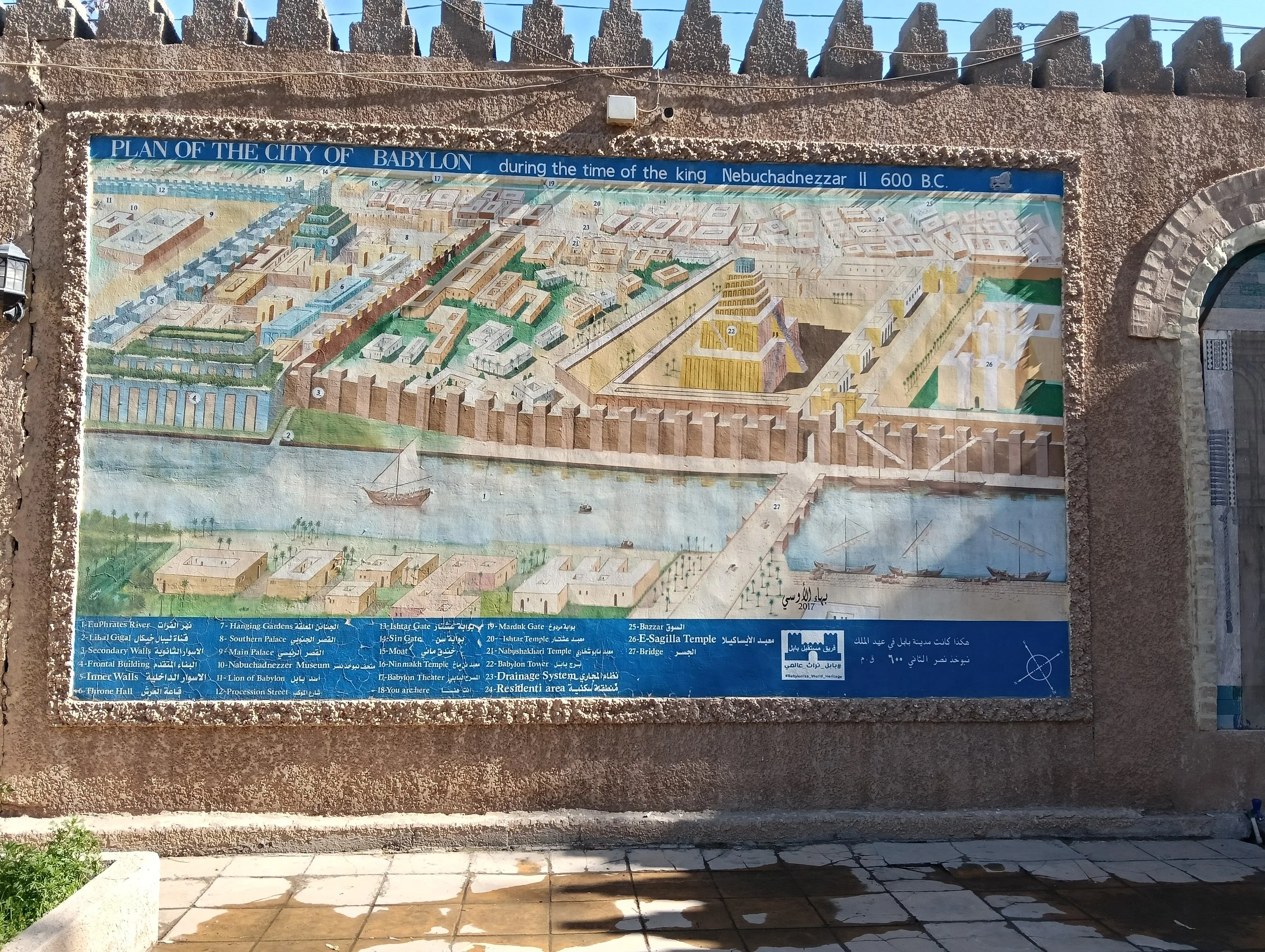
Under Nebuchadnezzar II in the sixth century BCE, Babylon reached its most visually recognisable form. This was not aesthetic indulgence. It was strategy. Walls, gates, routes, and monuments were designed to communicate power without explanation.
The Ishtar Gate was not merely decorative. It was a declaration. Colour, scale, and repetition worked together to frame Babylon as a place chosen by gods and secured by kings.
Architecture did what decrees could not. It made authority feel permanent.
Movement, Ritual, and Control.
The Processional Way reinforced that message. Movement through the city was guided, narrowed, and choreographed. To enter Babylon was to be reminded, constantly, that the city understood itself as the centre of the world.
Ceremony was not separate from governance. It was governance, enacted through space.
When Babylon Became an Idea.
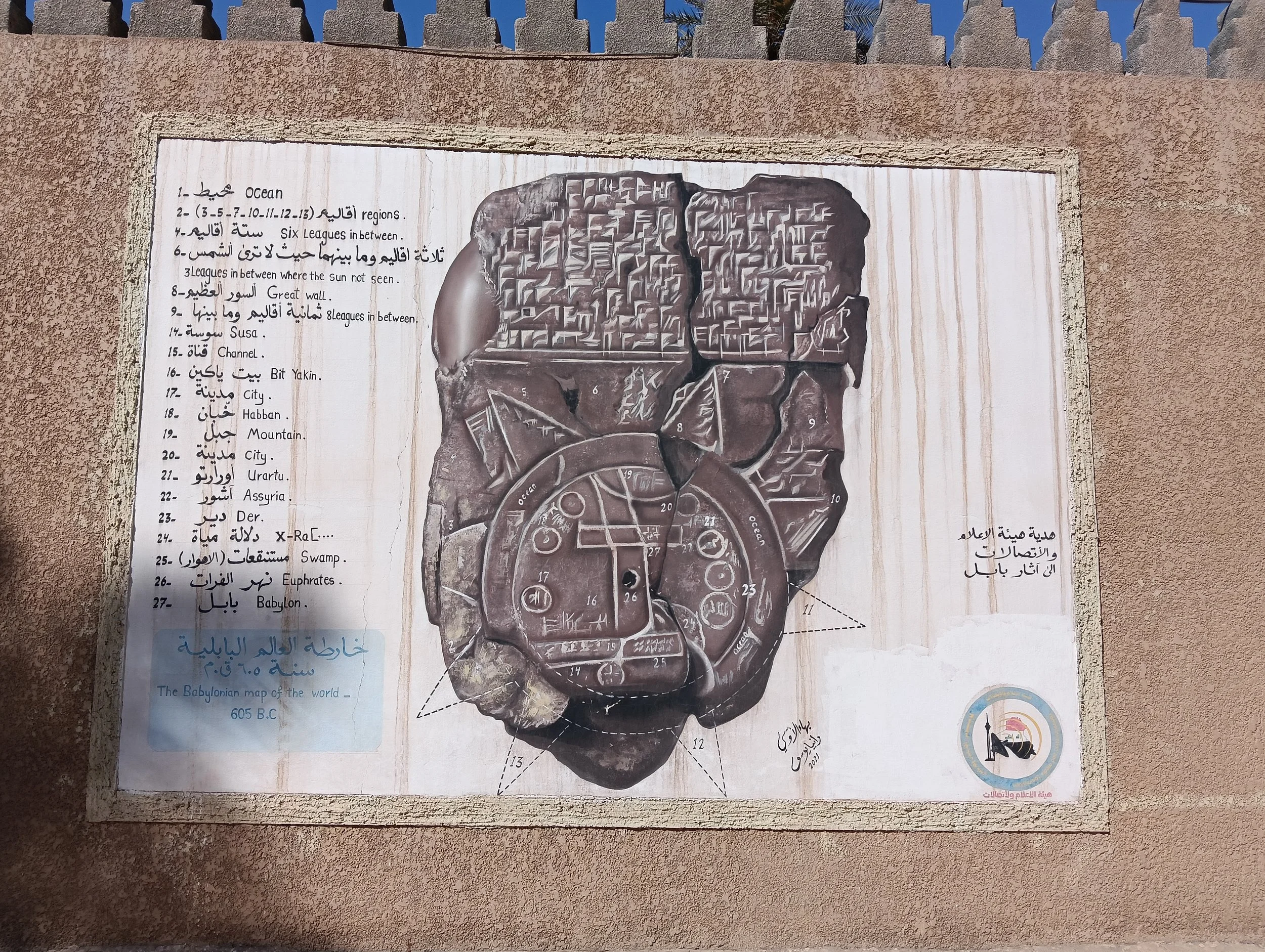
Babylon’s reputation travelled far beyond Mesopotamia. Biblical authors transformed it into metaphor. The Tower of Babel story reflects anxieties about centralisation and human ambition. The Hanging Gardens became symbols of splendour, even as their precise location remains debated.
Babylon absorbed these narratives because it already represented scale, order, and confidence. It became the place onto which later cultures projected their fears and desires.
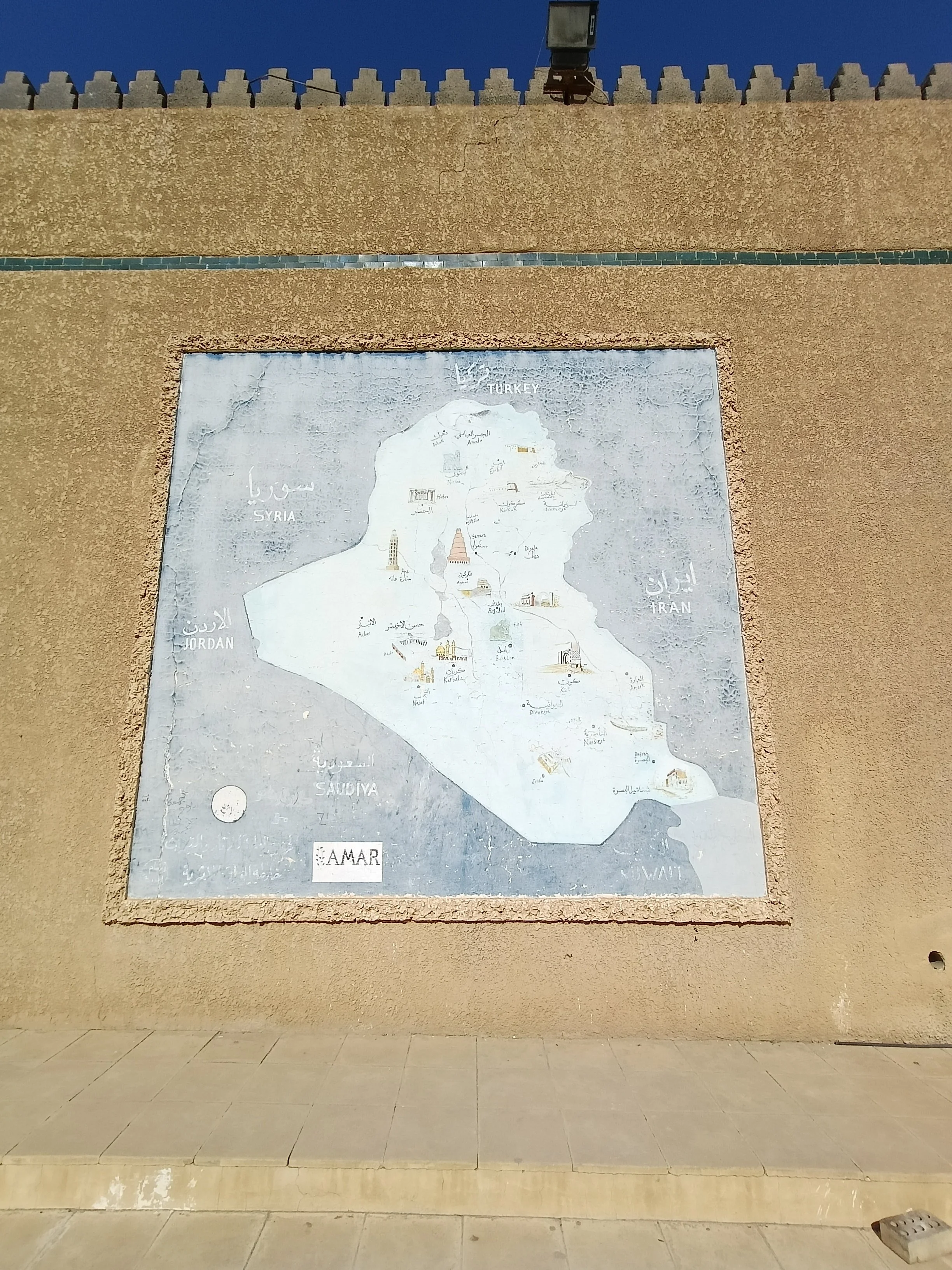
A map showing Babylons place in the ancient world.
Conquest Without Erasure.
Conquest did not end Babylon’s significance. When Cyrus of Persia entered the city in 539 BCE, he framed his rule as restoration rather than destruction. Babylon’s institutions were preserved. Its authority was reused.
This pattern would repeat. Babylon mattered too much to erase.
Unearthed and Reimagined.
Modern archaeology exposed Babylon to a different kind of transformation. Excavations revealed the city’s plan and monuments, reshaping how the world understood early civilisation. Babylon became measurable, mapped, and displayed.
That exposure preserved Babylon, but it also removed it from context. The city became both place and exhibit.
A Fragile Inheritance.
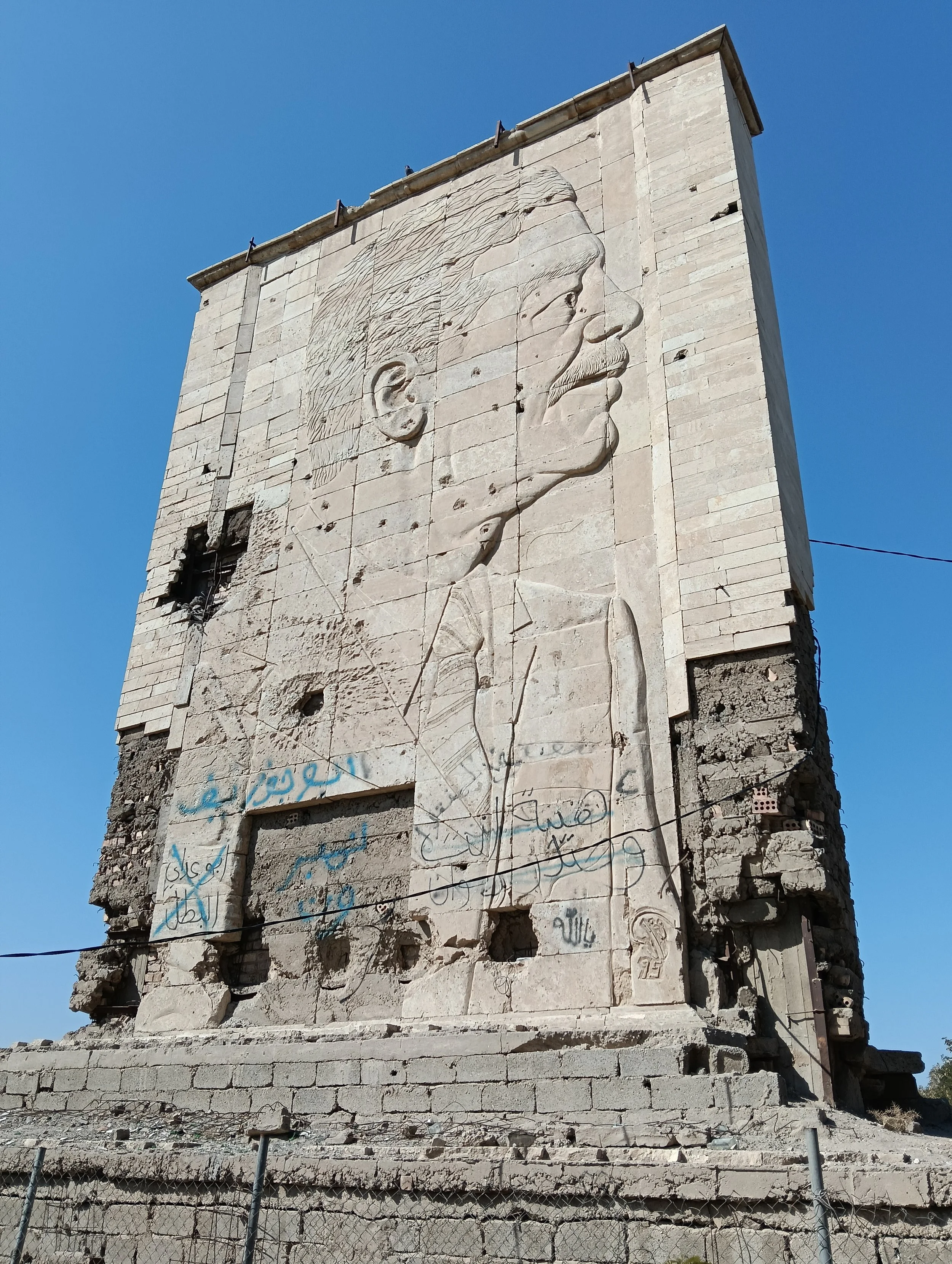
The events of the early twenty-first century brought new damage. Military use of the site caused harm not through intent, but indifference. Mud brick does not forgive. What survived centuries struggled against weeks of modern pressure.
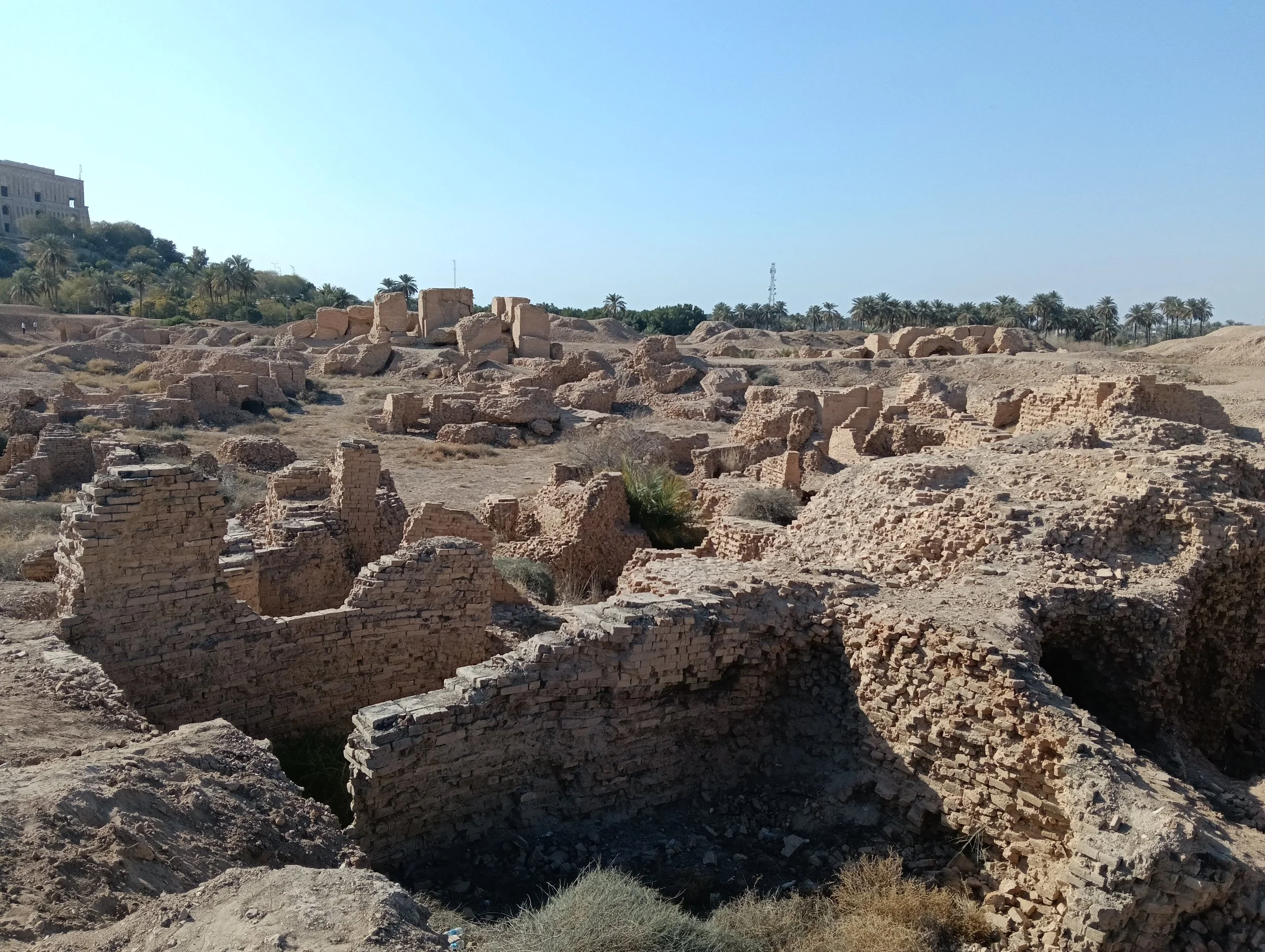
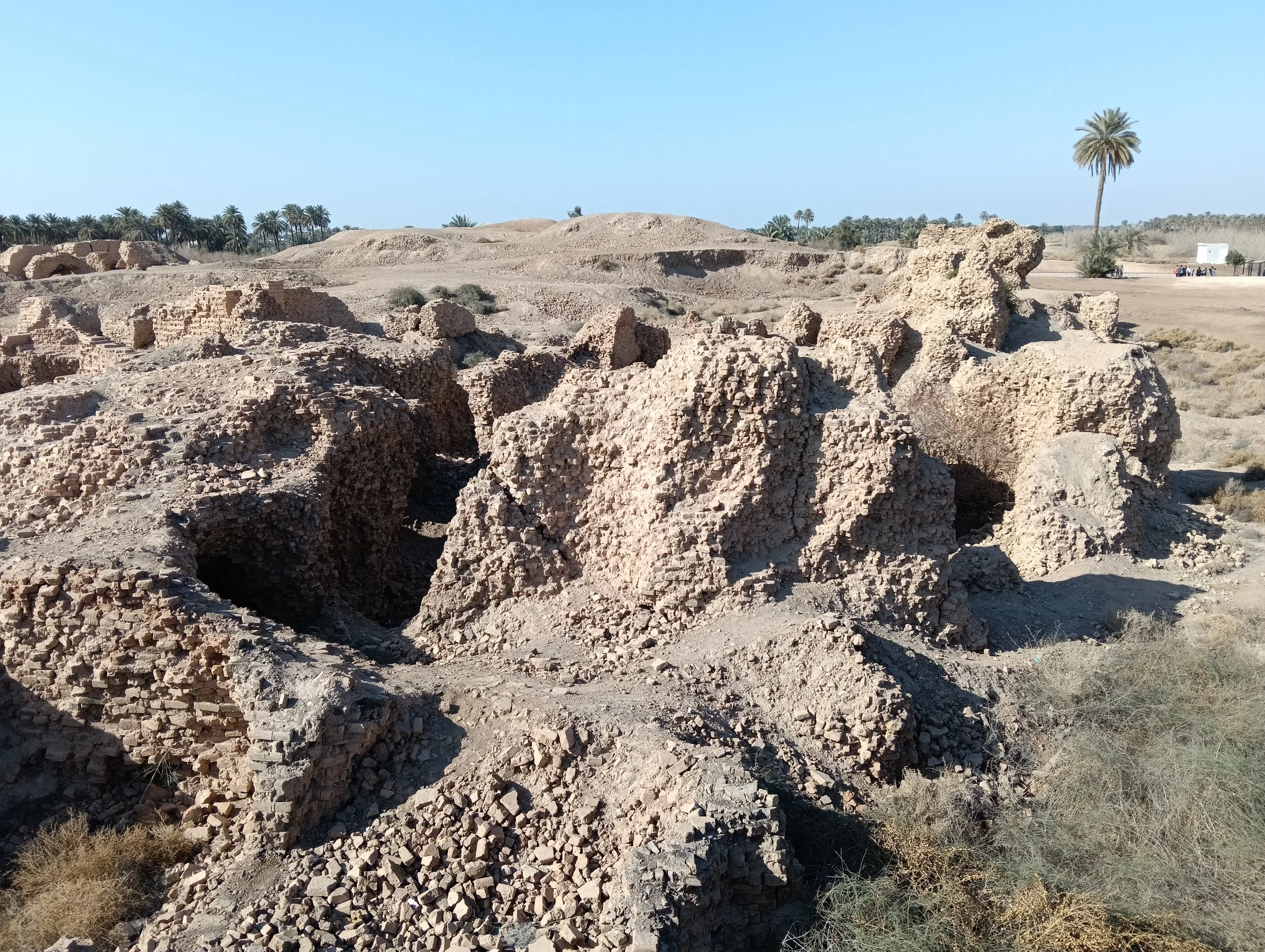
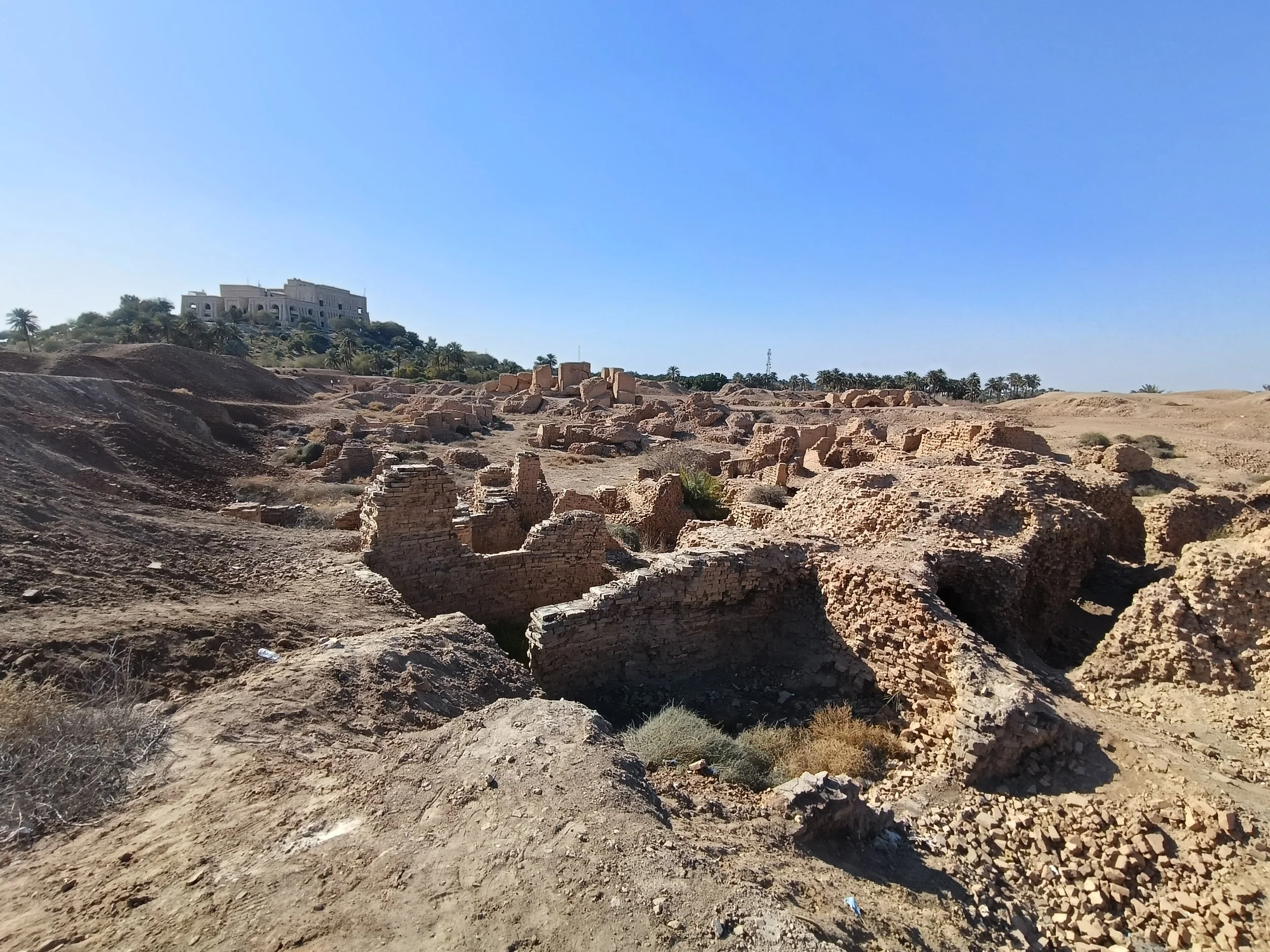
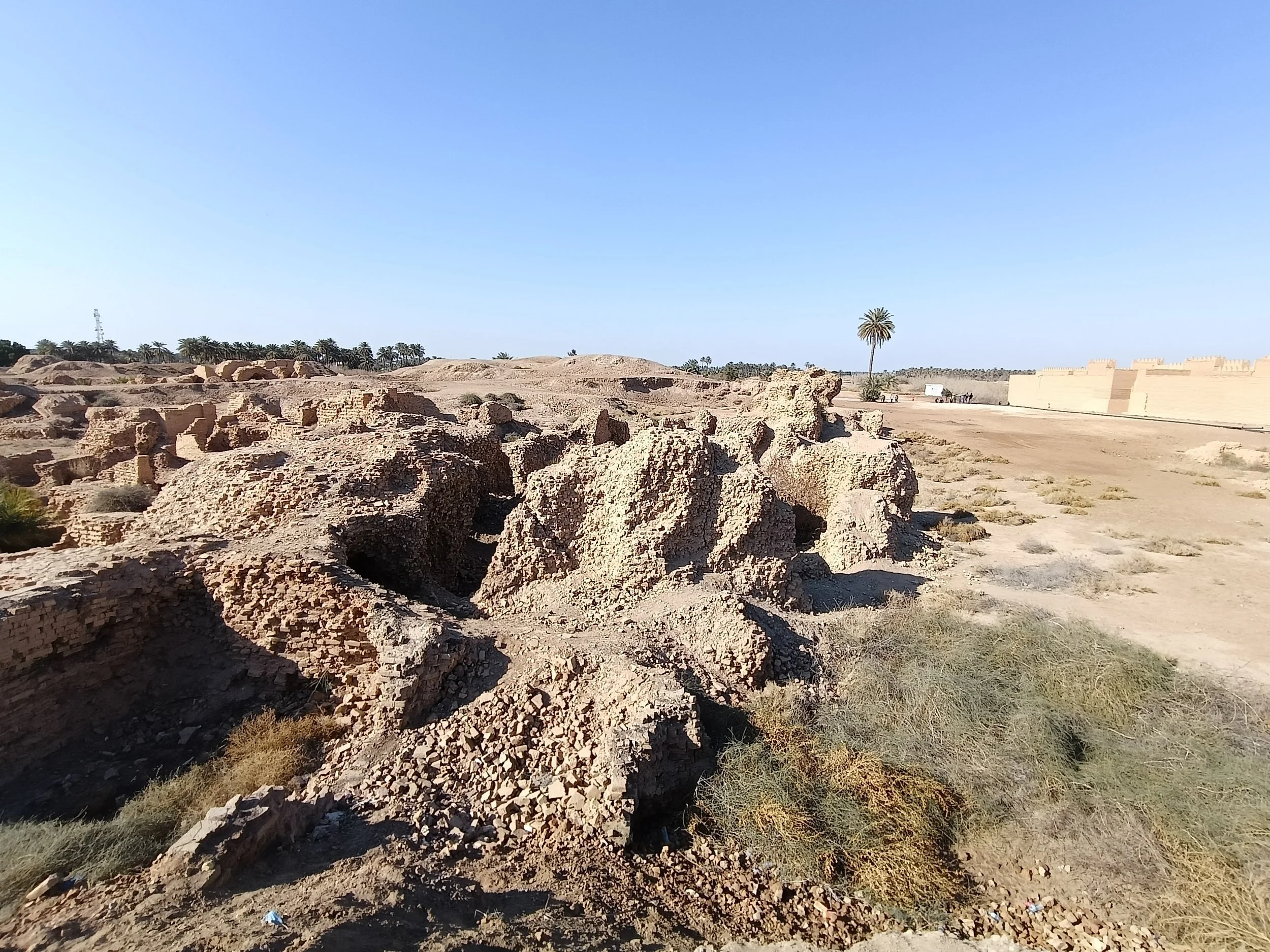
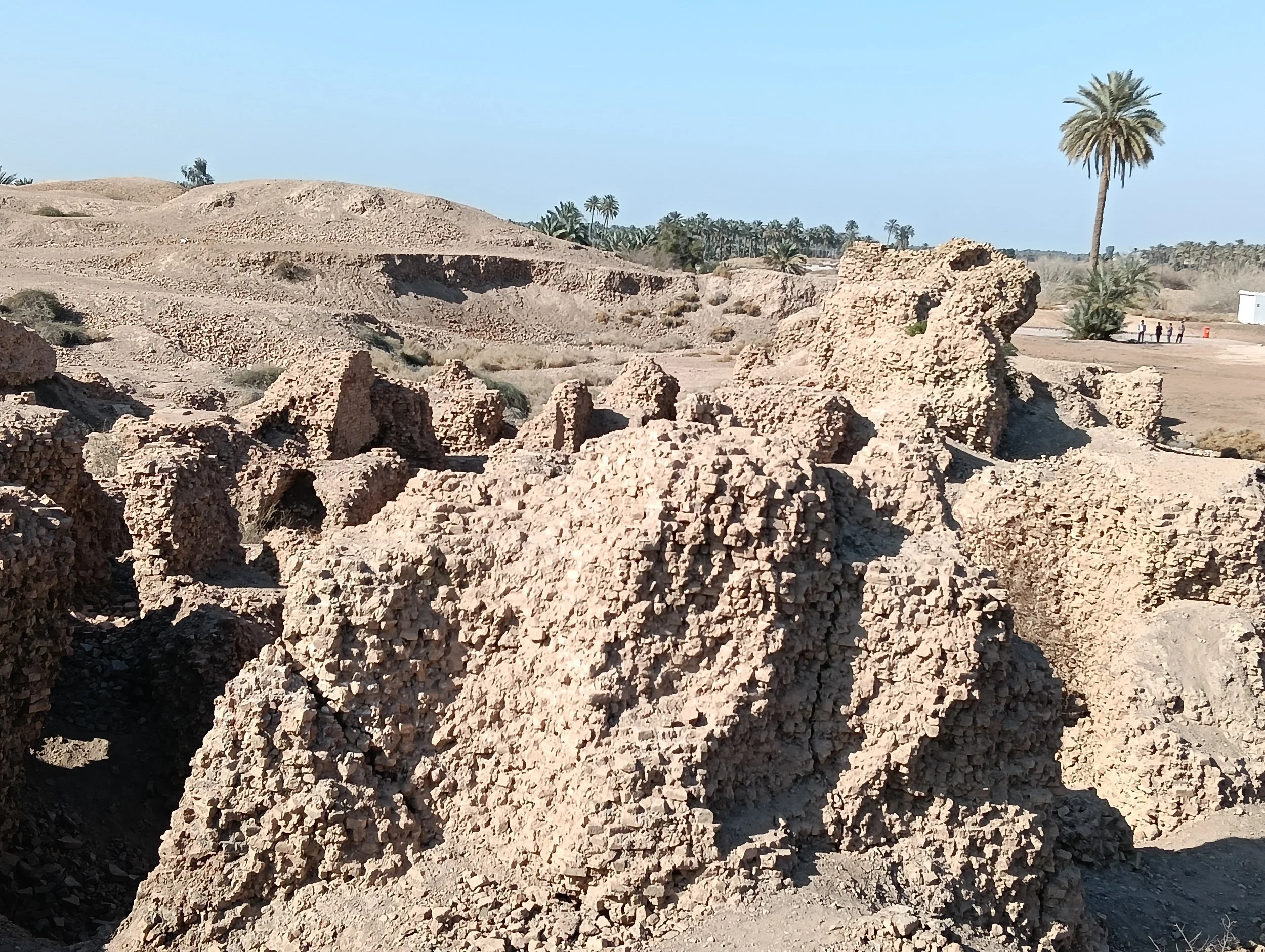
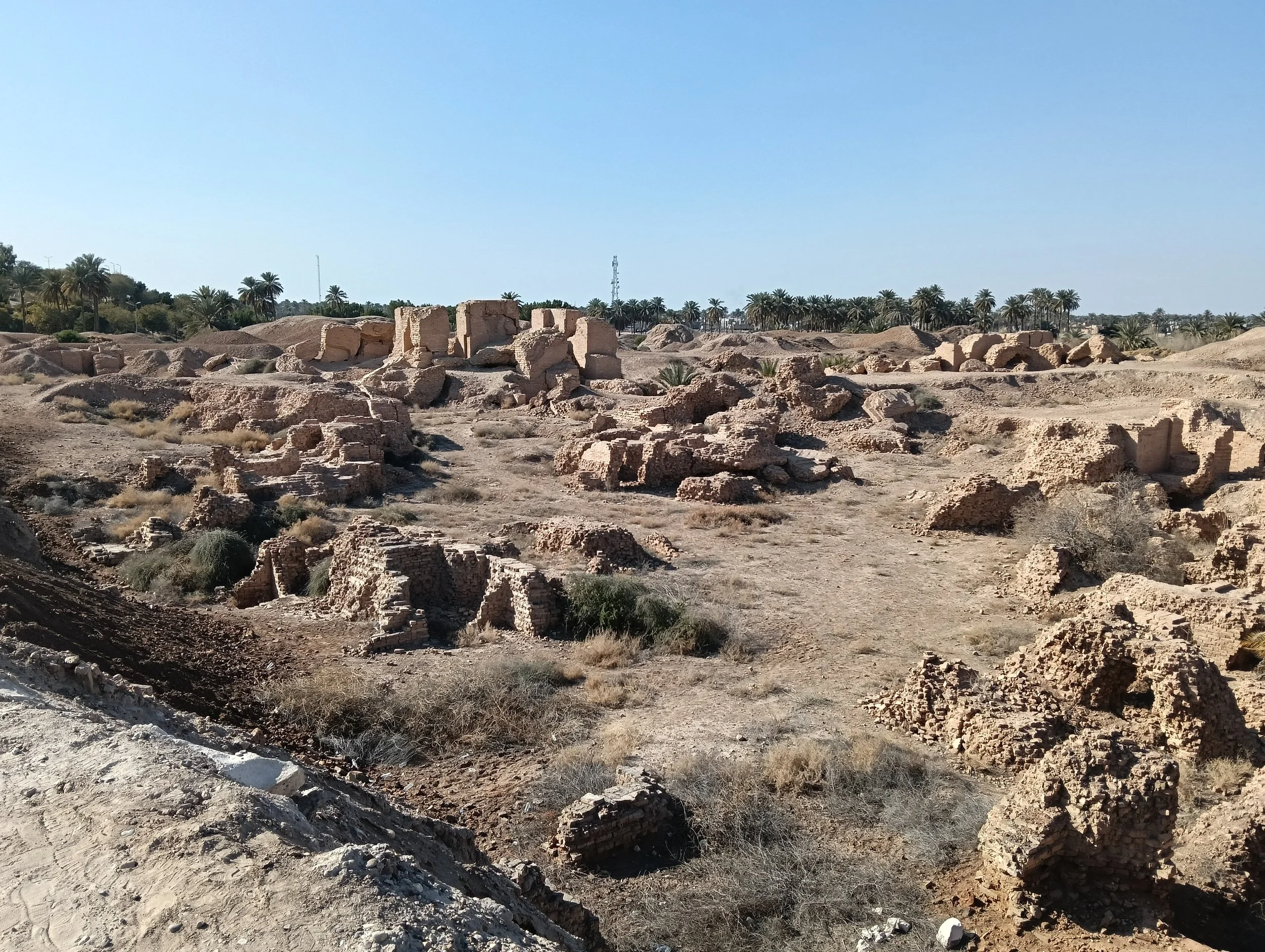
Babylon today is layered: ancient city, archaeological site, political symbol, global heritage.
What Babylon Still Teaches.
What endures is not a single Babylon, but many Babylons stacked across time. A city that shows how systems grow, how authority hardens, and how permanence is always an illusion.
Babylon does not ask to be admired. It asks to be understood.