

 Image 1 of 1
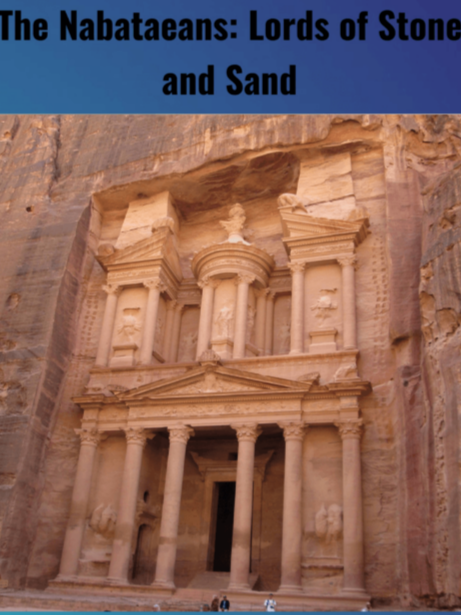
This synopsis explores the intricate world of the Nabataeans, a remarkable civilization that flourished in ancient Arabia. Titled The Nabataeans: Lords of Stone and Sand, this book provides an insightful examination of their architectural prowess and trading acumen, particularly focusing on the iconic city of Petra. It delves into how these ancient people thrived at a pivotal intersection of commerce and culture, navigating environmental challenges to establish a lasting legacy.
The narrative is not merely historical; it serves as a lens through which contemporary readers can reflect on modern issues such as sustainability and cultural heritage. By analysing the Nabataean methods of resource management and urban design, the book offers valuable lessons applicable to today's societal challenges. It targets historians, archaeologists, and anyone intrigued by ancient societies, aiming to deepen their understanding of a culture that significantly influenced trade between East and West.
Key themes include trade networks, innovative water conservation techniques, and artistic expression within Nabataean society. The work highlights how their architectural designs were not only functional but also aesthetically striking, demonstrating resilience against both natural elements and human demands. Through rigorous research combining archaeological evidence with historical documentation, readers gain insights into the complexities of this society.
Ultimately, The Nabataeans: Lords of Stone and Sand stands out for its interdisciplinary approach that merges archaeology with cultural studies. This comprehensive analysis enriches academic discussions while remaining accessible to a broader audience eager to learn about our shared history. By drawing parallels between ancient practices and current global dilemmas, this book invites reflection on how past innovations can inform future solutions.
This synopsis explores the intricate world of the Nabataeans, a remarkable civilization that flourished in ancient Arabia. Titled The Nabataeans: Lords of Stone and Sand, this book provides an insightful examination of their architectural prowess and trading acumen, particularly focusing on the iconic city of Petra. It delves into how these ancient people thrived at a pivotal intersection of commerce and culture, navigating environmental challenges to establish a lasting legacy.
The narrative is not merely historical; it serves as a lens through which contemporary readers can reflect on modern issues such as sustainability and cultural heritage. By analysing the Nabataean methods of resource management and urban design, the book offers valuable lessons applicable to today's societal challenges. It targets historians, archaeologists, and anyone intrigued by ancient societies, aiming to deepen their understanding of a culture that significantly influenced trade between East and West.
Key themes include trade networks, innovative water conservation techniques, and artistic expression within Nabataean society. The work highlights how their architectural designs were not only functional but also aesthetically striking, demonstrating resilience against both natural elements and human demands. Through rigorous research combining archaeological evidence with historical documentation, readers gain insights into the complexities of this society.
Ultimately, The Nabataeans: Lords of Stone and Sand stands out for its interdisciplinary approach that merges archaeology with cultural studies. This comprehensive analysis enriches academic discussions while remaining accessible to a broader audience eager to learn about our shared history. By drawing parallels between ancient practices and current global dilemmas, this book invites reflection on how past innovations can inform future solutions.